Fallen Heroes: American Lives Lost in the Iran Conflict
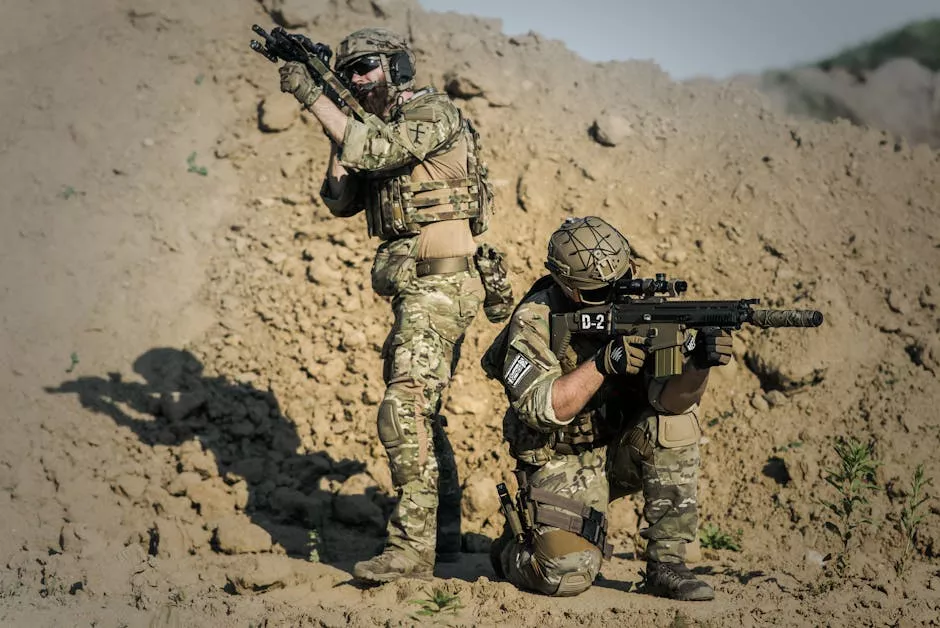
Four American service members from diverse backgrounds were killed in the Iran conflict, leaving behind dreams and legacies.
International Relations Correspondent
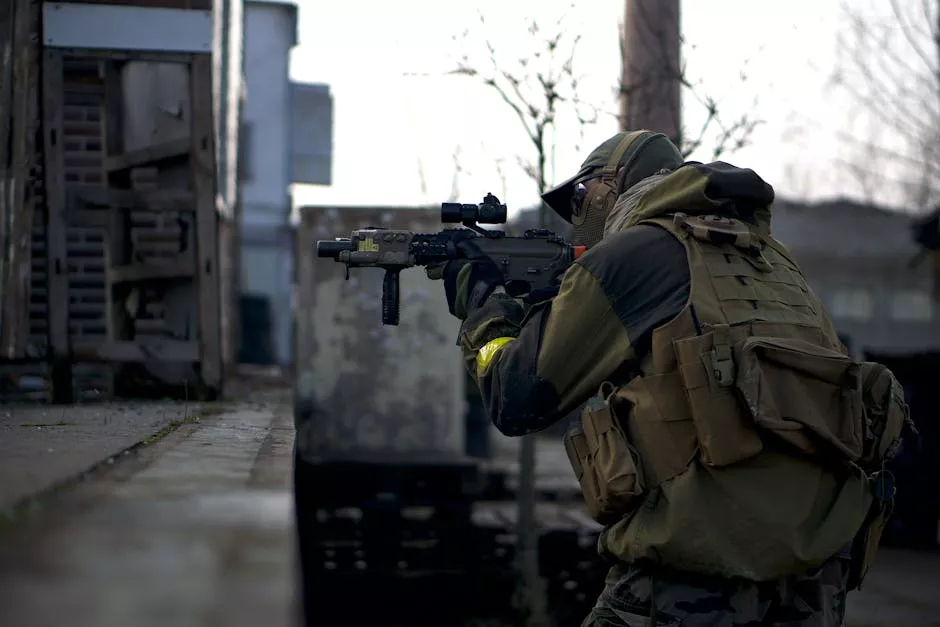
The recent escalation in Iran has claimed the lives of four American service members, each hailing from different parts of the United States—Nebraska, Florida, Iowa, and Minnesota. This tragedy underscores the far-reaching impact of conflicts and the personal stories behind the headlines. As the nation mourns, it reflects on the service and sacrifice of these individuals, illustrating the human stories often overshadowed by geopolitical narratives.
The Stories Behind the Headlines
The four service members who lost their lives were more than just soldiers; they were individuals with dreams and aspirations. One of them, who was on his final deployment, was looking forward to returning home and opening a martial arts studio—a testament to his passion and plans beyond military service. These personal stories highlight not only their dedication to their country but also the personal stakes involved in military service.
The families of these service members are now grappling with a void that will never be filled. Their communities, from the agricultural landscapes of Nebraska and Iowa to the sunlit stretches of Florida and Minnesota, are left to reflect on the cost of international conflicts.
Geopolitical Context and Regional Perspectives
The Iran conflict is rooted in a complex tapestry of historical grievances, territorial disputes, and sectarian tensions. Iran's strategic location in the Middle East and its influence across the region make it a central player in geopolitical affairs. The involvement of American service members points to the international dimensions of this conflict, as global powers intervene and align with regional factions.
Historically, the U.S. has engaged in Middle Eastern geopolitics for various reasons, including securing energy resources, supporting allies, and countering terrorism. These strategic interests often put American lives on the frontline, as seen in this latest conflict.
Implications of the Conflict
The implications of the Iran conflict extend beyond immediate military engagement. Regional stability is at risk, with potential repercussions for global oil markets, refugee flows, and international diplomatic efforts. The death of these American service members serves as a reminder of the ongoing human cost associated with geopolitical power struggles.
As the world watches, this conflict could spur new alignments or deepen existing rivalries in the region. The resulting geopolitical landscape will shape future diplomatic, economic, and security strategies for not just the Middle East but the global community.
The Role of International Diplomacy
Efforts at de-escalation will likely involve complex negotiations, leveraging economic sanctions, and diplomatic engagements. The deaths of American soldiers may prompt renewed calls for diplomatic dialogues, aimed at preventing further loss of life and stabilizing the region.
Countries with vested interests in the region, including members of NATO and EU, may actively push for peace talks. The balancing of power, through both direct engagement and proxy alliances, will be critical in determining the outcomes of ongoing and future negotiations.
Why It Matters
The tragic loss of American service members in the Iran conflict underscores the intricate web of alliances and enmities that define Middle Eastern geopolitics. This event matters globally, not only because of its direct impact on American lives but also for its potential to alter geopolitical dynamics. The volatility in Iran could spur shifts in energy markets, incite further regional tension, and impact global security policies.
Moving forward, it is crucial for the international community to focus on diplomatic avenues to mitigate escalation. Observers should watch for signs of cooling tensions or, conversely, any revitalization of hostilities. The ability of global powers to steer this conflict towards a resolution will shape the geopolitical landscape significantly. The world waits to see if dialogue can prevail over war.