Exploring Russia-Ukraine Peace Talks: Progress and Challenges
Four years into the Russia-Ukraine conflict, peace efforts intensify but a resolution remains elusive amidst complex geopolitical tensions.
Senior Geopolitical Analyst
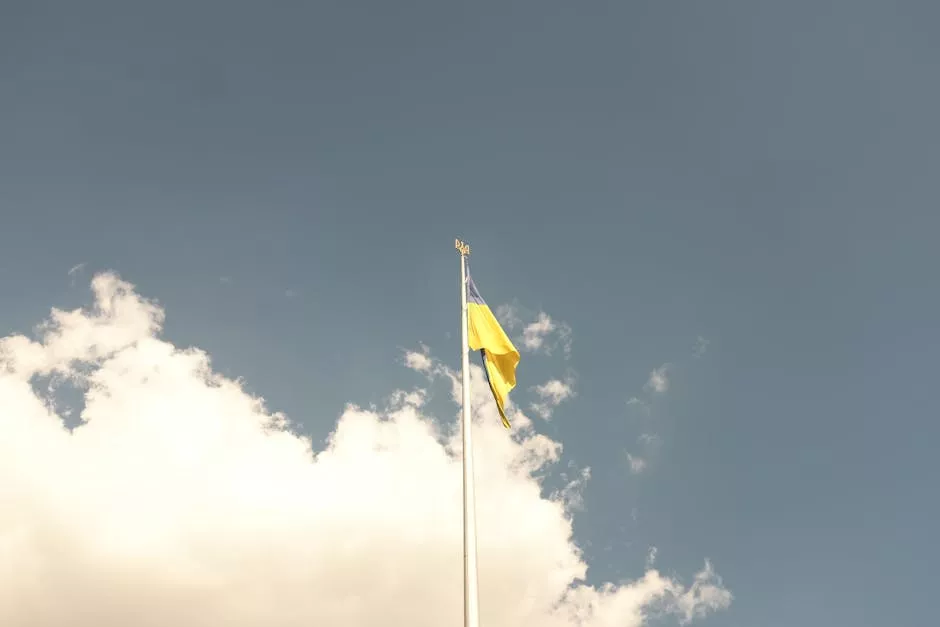
As the conflict between Russia and Ukraine extends into its fourth year, the international community has intensified its efforts to broker a peace agreement. Despite the numerous attempts by various nations and organizations, a conclusive resolution remains elusive, illustrating the complex geopolitical dynamics at play.
Historical Context of the Conflict
The roots of the Russia-Ukraine war can be traced back to 2014 when Russia annexed Crimea, a move that was widely condemned by the international community. The situation further escalated with the ongoing tensions in the Donbas region, where Russian-backed separatists have been in conflict with Ukrainian forces. Despite various ceasefire agreements, violence has continued, causing widespread humanitarian issues.
International Mediation Efforts
Several mediation attempts have been initiated over the years. The Minsk Agreements, brokered by the Organization for Security and Co-operation in Europe (OSCE), aimed at de-escalation but have largely been ineffective due to ongoing violations by both parties. More recently, France and Germany have taken on significant roles through the Normandy Format, yet differences between the involved parties have stalled progress.
Turkey has also positioned itself as a potential mediator, leveraging its strategic position between the West and Russia. President Recep Tayyip Erdoğan has expressed Turkey’s readiness to host talks and facilitate dialogue. Moreover, the United Nations has called for renewed diplomatic efforts, pushing for dialogue and humanitarian aid to those affected by the continued conflict.
Why Resolution Is So Challenging
The difficulty in reaching a lasting peace agreement stems from several factors. Firstly, the geopolitical stakes are high, with NATO’s perceived encroachment on Russia's sphere of influence generating significant tension. Moscow’s underlying fear of losing strategic depth and facing an expanded NATO presence near its borders complicates the negotiation landscape.
The internal dynamics of both countries also pose obstacles. Ukrainian nationalists are vehemently opposed to ceding any territory, considering it part of Ukraine’s sovereign domain, while Russian nationals largely support the Kremlin’s actions, viewing them as a defense of ethnic Russians in Ukraine.
Geopolitical Implications
The conflict has strained Russia's relations with the West, leading to severe economic sanctions that have impacted the Russian economy. Conversely, Ukraine’s aspirations for closer ties with the European Union have garnered significant support, yet have also complicated its internal political landscape. Additionally, the persistent conflict has exacerbated global energy markets, with Europe seeking alternatives to Russian gas and oil.
The peace process, or lack thereof, has broader implications for regional and global security. As tensions continue, there are fears of the conflict spilling over into neighboring European nations, potentially involving NATO members and escalating into a broader regional war.
Current Outlook
Despite ongoing challenges, diplomatic channels remain open. The involvement of various countries highlights the global stakes involved and the urgency with which the international community seeks resolution. However, without compromises from both sides, the path to peace remains fraught with challenges.
Why It Matters
The protracted conflict between Russia and Ukraine is not just a regional issue but has significant global implications. It highlights the fragility of post-Cold War international norms and the resurgence of great power politics. The conflict challenges the effectiveness of diplomatic frameworks like the Minsk Agreements and underscores the difficulty of intervention in entrenched territorial disputes. Economically, the sanctions have strained not only Russia's economy but also affected global energy prices, forcing a reevaluation of energy security strategies, particularly in Europe. Moving forward, observers should watch the evolving roles of global powers like the U.S., EU, and China, as their involvement will likely influence the war's trajectory and shape the emerging global order.