Europe's Strategic Shift: Polish Civil Defense Amid Economic Woes
Poland strengthens civil defense amid economic challenges, reflecting Europe's strategic recalibration in an increasingly hazardous global context.
International Relations Correspondent
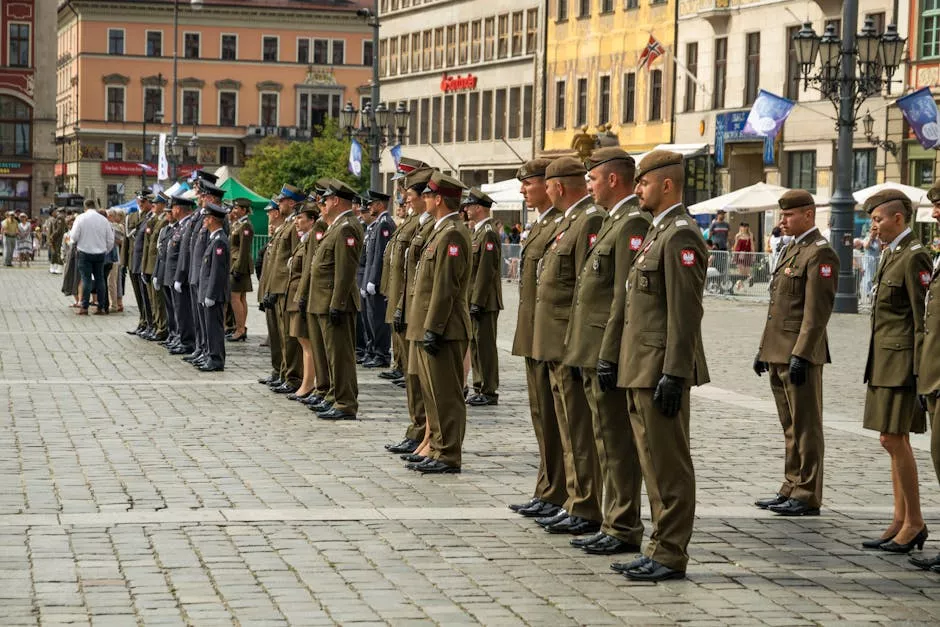
As Europe contends with economic challenges, regional security is taking a front seat, with Poland emerging as a leading example of proactive defense measures. This comes at a time when the continent faces unprecedented threats, magnified by the ongoing conflict in Ukraine and escalating geopolitical tensions. Within this milieu, Poland is not only increasing its defense expenditure but also taking bold steps to train its citizens in civil defense, balancing these efforts with the demands of everyday life.
The Polish Paradigm
Historically, Poland's geographical location has positioned it at the epicenter of European conflicts. With Russia to its east and Germany to its west, Poland has often been the frontline state in major wars and conflicts. Today, this historical experience informs its current defense strategy. Poland is committed to increasing its military budget, striving to meet and exceed NATO’s defense spending targets. In 2023, defense budgets and policies have been adjusted to address both traditional military threats and hybrid warfare challenges.
Civil Defense Initiatives
Recognizing the necessity of civilian readiness in national defense strategy, Poland has prioritized civil defense training for its populace. The government has initiated programs targeting school students, professionals, and local communities. These programs encompass basic first aid, crisis management, and emergency response strategies, aimed at fostering a culture of preparedness that complements formal military capabilities.
This approach is not without its challenges. Citizens must find a balance between training commitments and their professional and personal lives. The government, in partnership with employers, has sought ways to accommodate these demands, ensuring that participation in civil defense activities does not detract from economic productivity.
Broader European Implications
Poland’s actions reverberate across Europe, influencing defense strategies within the European Union and NATO. Countries such as the Baltic states and Scandinavian nations, similarly wary of Russian military maneuvers, have considered similar programs. This signals a shift towards a more integrated pan-European defense strategy, where military and civilian defense mechanisms play complementary roles.
Moreover, Poland's initiatives highlight the need for cohesion between European economic policies and defense strategies. As Poland strengthens its defenses, it also risks certain economic strains, particularly given the broader impacts of inflation and energy shortages affecting Europe. The capacity to maintain a balance between economic stability and military readiness will be a crucial test for European governments.
Geopolitical Implications
Poland’s staunch commitment to defense has ramifications beyond Europe. It underscores the region’s growing role in global geopolitics, drawing attention from allies and adversaries alike. For the United States, Poland is a critical partner on NATO’s eastern flank, serving as a bulwark of democratic and military stability in Eastern Europe.
Conversely, Russia’s perception of Poland as a fortified NATO front may influence its strategic calculus. Increased military readiness across its western border could compel Moscow to adjust its military strategies or rhetoric, further straining EU-Russia relations.
Conclusion
In summary, as Poland fortifies its civil defense amidst economic upheaval, it paves the way for a new European security architecture. This proactive approach has made it a model within NATO and among EU partners. While these measures have economic implications, they represent a crucial adaptation to the modern geopolitical landscape where traditional and hybrid threats are increasingly interlinked.
Why It Matters
Why It Matters: The ramp-up of Poland’s civil defense initiatives is a microcosm of broader European security paradigms in response to escalating global tensions. As Europe grapples with economic uncertainties, prioritizing defense readiness could act as both a deterrent and a stabilizer in a volatile geopolitical environment. For international observers, Poland's model presents a case study in effectively balancing national defense imperatives with economic sustainability. As the continent watches, Poland's next moves will likely influence defense policies across Europe, provoking discussions on the balance between military expenditure and economic viability. Beyond Europe, alliances and adversarial dynamics may shift, underscoring the importance of vigilance among global powers.