Europe's Military Revival: France Leads Continental Defense Buildup
European nations are rapidly expanding military capabilities as France prepares to restore voluntary military service amid Russian threats and uncertain US support.

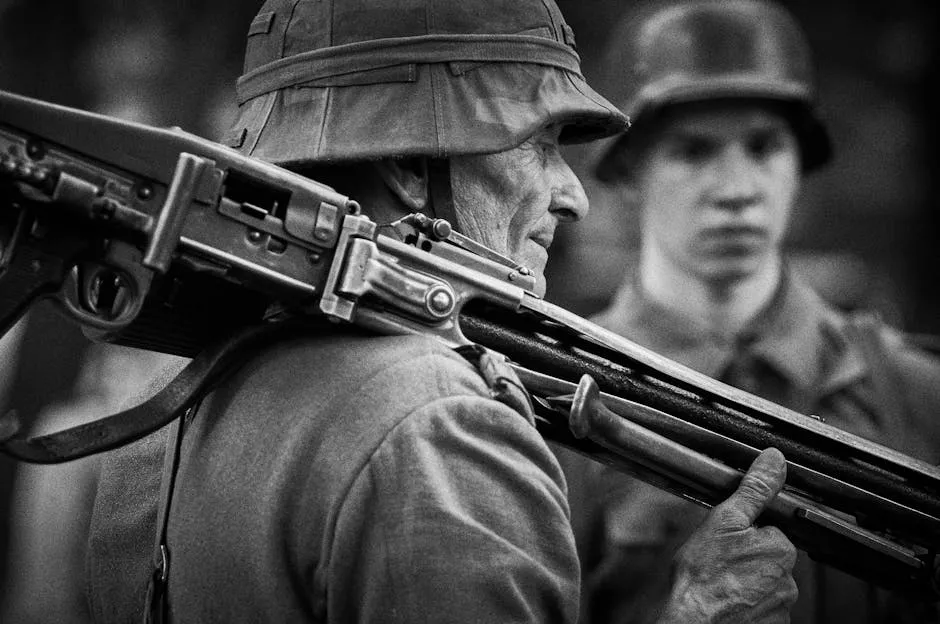
As geopolitical tensions reshape the global security landscape, European nations are experiencing their most significant military transformation since the Cold War. France is poised to lead this continental defense revival, with President Emmanuel Macron expected to announce the restoration of voluntary military service this Thursday, marking a historic shift nearly three decades after conscription ended.
The Catalyst for Change
The urgency driving Europe's military expansion stems from two primary factors: Russia's increasingly aggressive posture and growing uncertainty about America's long-term commitment to transatlantic security. The conflict in Ukraine has served as a stark reminder that conventional warfare remains a real threat on European soil, forcing NATO allies to reassess their defense capabilities.
France's decision to restore military service, albeit on a voluntary basis, represents more than symbolic gesture. It signals a fundamental shift in how European powers view their security responsibilities and their willingness to invest in domestic defense capabilities rather than relying primarily on American military umbrella.
Continental Defense Awakening
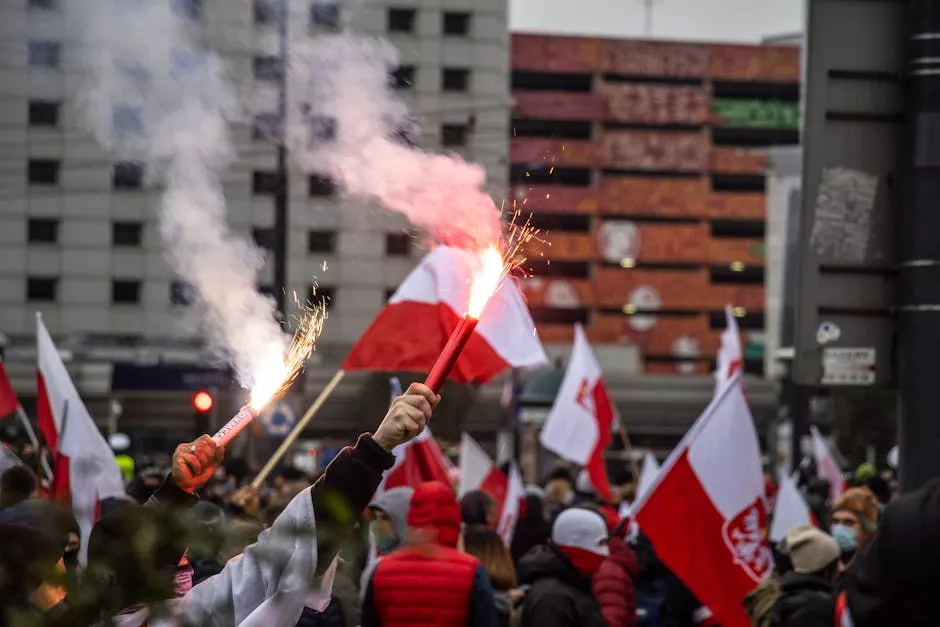
France is not alone in this military renaissance. Across Europe, nations are dramatically increasing defense spending and restructuring their armed forces. Germany has committed to meeting NATO's 2% GDP defense spending target, while Poland has embarked on one of the largest military modernization programs in its history. The Baltic states, feeling particularly vulnerable due to their proximity to Russia, have implemented comprehensive defense reforms including enhanced reserve systems.
Industrial Implications
This military expansion extends beyond troop numbers to encompass defense industrial capacity. European nations are recognizing the critical importance of domestic weapons production and technological independence. The continent's defense industry, which experienced significant consolidation and downsizing after the Cold War, is now experiencing unprecedented investment and growth.
The shift also reflects changing public attitudes toward military service and national defense. Surveys across European capitals show growing support for increased defense spending and military preparedness, marking a significant departure from the post-Cold War peace dividend mentality.
Strategic Implications
Europe's military buildup carries profound implications for global geopolitics. A more militarily capable Europe could potentially reduce American defense burden while strengthening NATO's overall deterrent effect. However, it also raises questions about transatlantic coordination and the future structure of Western defense arrangements.
The success of this military expansion will largely depend on Europe's ability to coordinate efforts effectively, avoid duplication, and maintain interoperability with existing NATO structures while building genuine strategic autonomy.