EU Struggles with Uncertain Future Post-US Tariff Ruling
The EU faces mixed reactions following the US Supreme Court's decision against Trump's tariffs, sparking cautious optimism and uncertainty.
Africa & Global Economy Correspondent
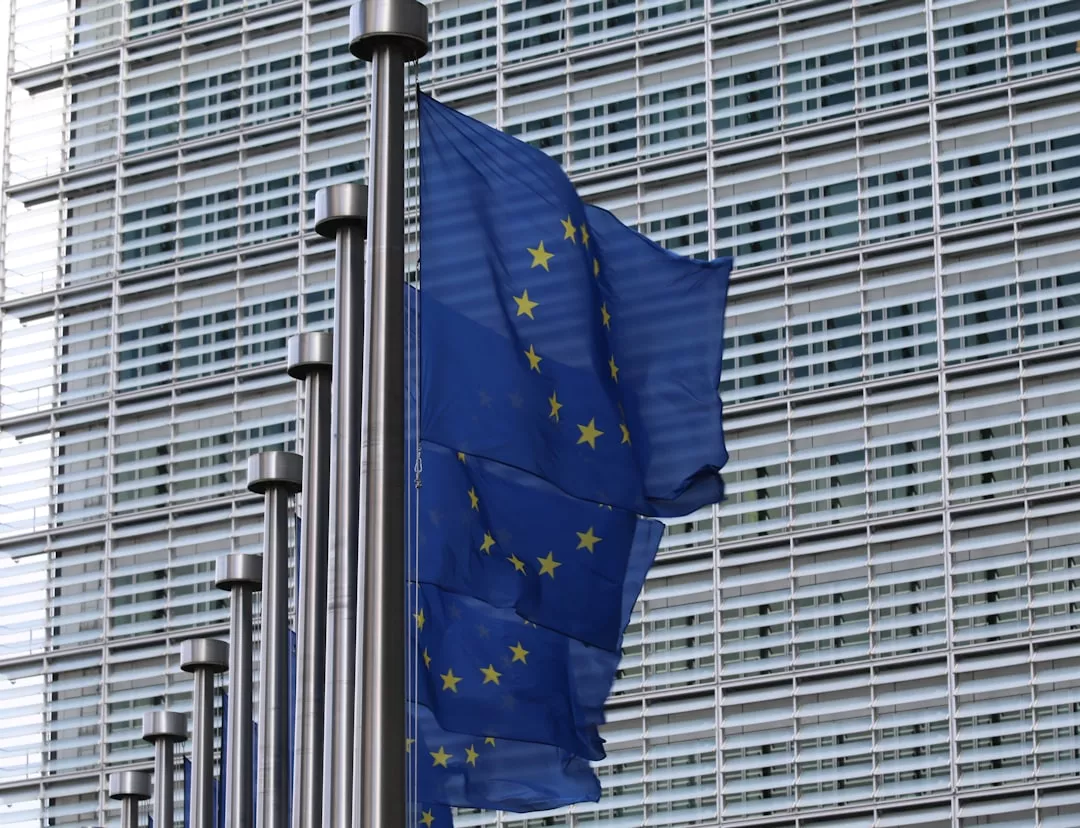
The recent ruling by the United States Supreme Court deeming several tariffs imposed by former President Donald Trump as illegal has left European leaders and businesses navigating a complex landscape. This decision has not only stirred both optimism and uncertainty within the European Union but also carries broad implications for international trade relations and the global economy.
Background: The Genesis of Tariffs
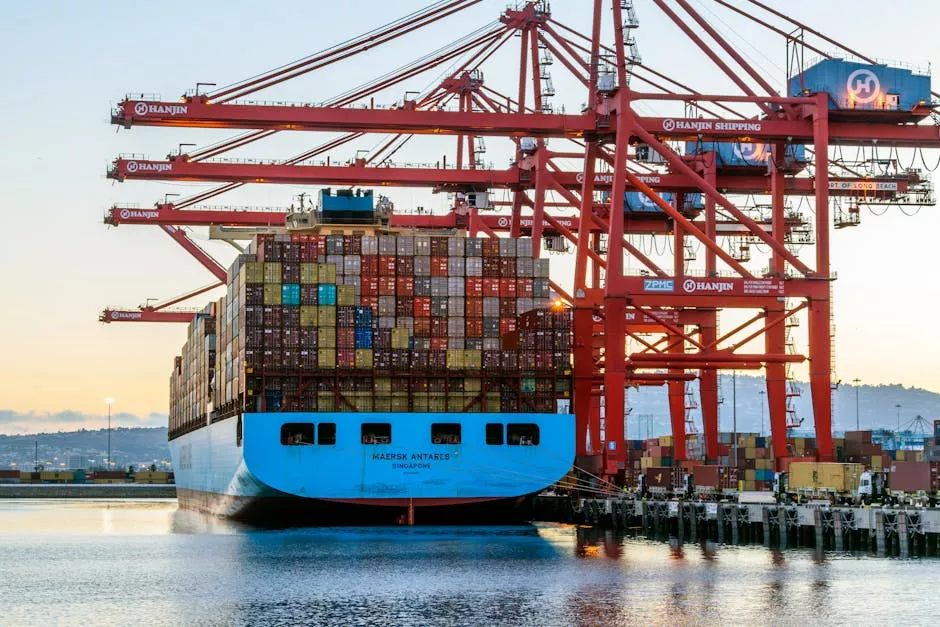
The tariffs in question were part of a broader protectionist approach by the Trump administration, which aimed to revitalize American manufacturing by imposing barriers on imported goods. This approach, however, was met with criticism from various trading partners, including the European Union, who saw these measures as detrimental to free trade principles.
Introduced in 2018, these tariffs covered a wide range of products, including steel, aluminum, and other goods critical to the European export market. The EU swiftly responded with counter-measures, leading to heightened tensions and, in some instances, retaliatory tariffs.
Reactions from European Leaders
In the wake of the Supreme Court's ruling, European leaders have expressed hopeful, yet cautious responses. French Minister of Economy and Finance, Bruno Le Maire, stated, "This ruling is a step towards restoring fairness in international trade." Meanwhile, the German Ambassador to the US remarked, "It opens a dialogue for renewed negotiation and cooperation between the EU and the United States."
Despite these optimistic remarks, there is an underlying apprehension regarding the future of transatlantic relations. Some EU officials are concerned that the easing of tariffs might not necessarily usher in a new era of free trade but instead lead to new terms and agreements that need careful negotiation.
Impact on EU Businesses
European businesses are similarly experiencing a mix of emotions. While the potential for tariff rollbacks could mean reduced costs and increased competitiveness, the uncertainty surrounding how the US will proceed leaves many companies cautious. "While this ruling is encouraging, we need to see concrete actions on tariff reductions before making any strategic decisions," stated the CEO of a major EU-based exporter.
Industries that were heavily impacted by Trump's tariffs, such as the steel and automotive sectors, stand to potentially benefit. However, the prospect of prolonged negotiations and the unpredictability of future US trade policy under the Biden administration add to the hesitancy.
Geopolitical Implications
On a more geopolitical scale, this ruling might influence other nations to challenge US trade policies, potentially leading to a broader reassessment of international trade norms. This decision could also be a catalyst for the EU to reassess its trade strategies and strengthen ties with other global partners, including China and ASEAN nations.
European analysts are watching closely to see if this legal precedent might be leveraged in future trade disputes, not just with the United States but with other large economies imposing unilateral trade measures.
The Road Ahead
While the ruling adds a layer of complexity to the current international climate, it also provides an opportunity for the EU and the US to engage in constructive dialogue. The European Commission has hinted at opening discussions with Washington to address not only tariff issues but broader trade collaborations, including digital trade and environmental standards.
As discussions progress, European leaders are aware of the delicate balancing act required to navigate these waters. Aligning interests across all 27 EU member states while engaging with a multifaceted US administration remains a daunting task.
Why It Matters
The US Supreme Court's ruling against Trump's tariffs represents a critical juncture in EU-US relations. As a major economic bloc, the EU's response will influence global trade dynamics significantly. This legal development presents an opportunity for the EU to foster renewed trade negotiations with the US, though it also highlights the volatility inherent in global political climates. In an era defined by uncertainty, maintaining stable international trade relations holds paramount importance. Observers should keep watch on upcoming EU-US trade talks and any shifts in policy from both sides that might impact the global economy.