EU-Middle East Talks Amid Rising Oil Prices and Regional Tension
The EU convenes with Middle Eastern leaders amidst soaring oil prices and regional tensions, seeking an assessment of the ongoing conflicts.
Africa & Global Economy Correspondent
EU Leaders Engage Middle East Amid Escalating Tensions
European Union leaders are poised for a crucial video conference with key Middle Eastern counterparts. As regional conflicts continue to escalate, the EU seeks to understand the on-ground dynamics better from local leaders. This initiative aims to facilitate informed decision-making processes among EU policymakers concerned with the rising instability and its far-reaching implications.
The Dynamics of Rising Oil Prices
Amid these talks, the global oil market grapples with skyrocketing prices. The price surge is attributed to the ongoing conflicts that threaten supply chains, primarily stemming from various unrests in the Middle East, a pivotal hub for global oil production. Historically, such disruptions have remarkable ripple effects on global economics, indicating potential inflationary pressures worldwide.
Historical Context and Current Conflicts
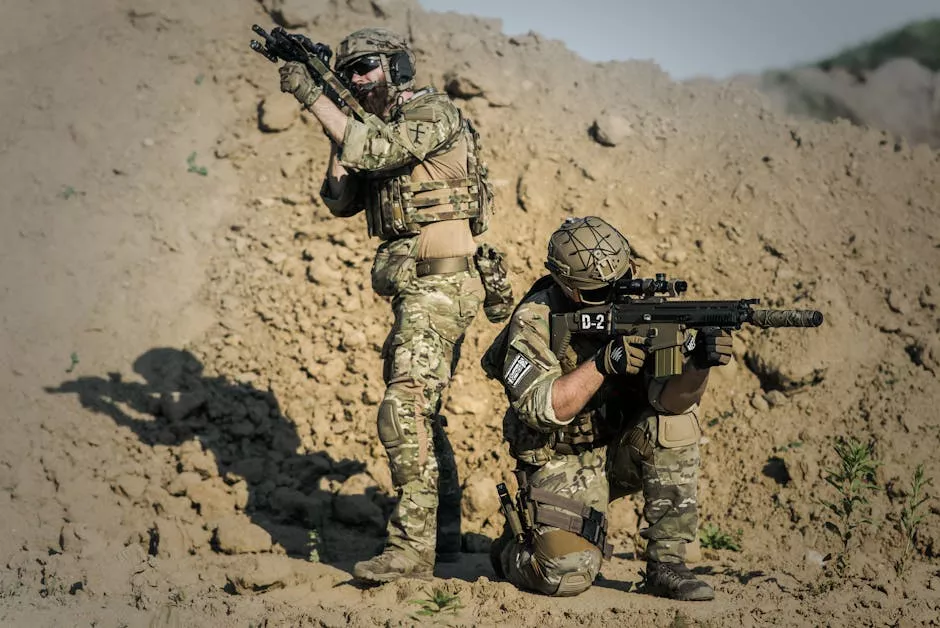
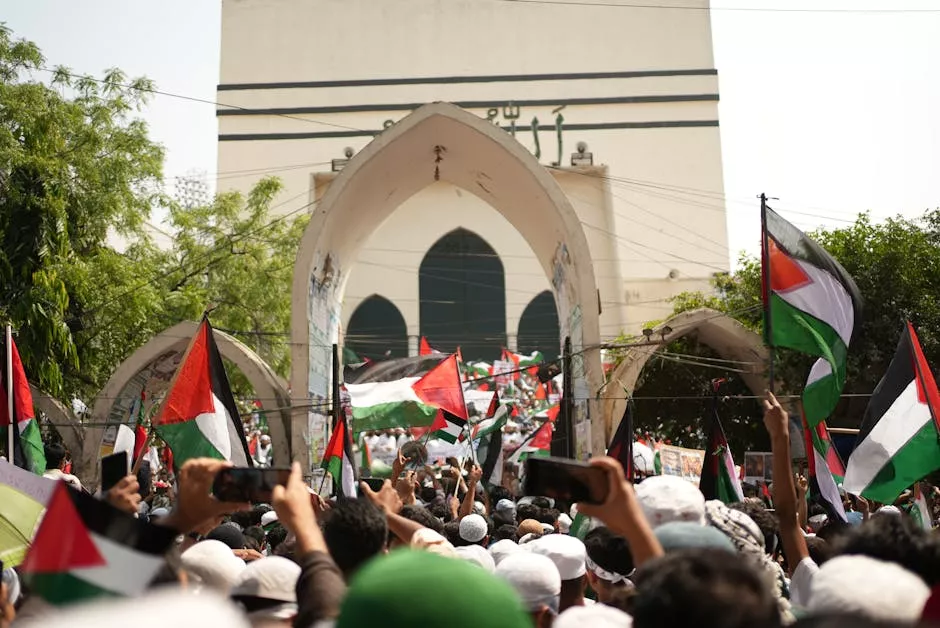
The Middle East has long been a region rife with conflict and geopolitical tension. From the post-World War I division of territories to the Cold War era involving superpower influences, the region has endured decades of tumultuous history. The current situation, characterized by multiple ongoing conflicts in Yemen, Syria, and tensions with Iran, exacerbates global uncertainty.
The EU's engagement in this discussion mirrors its historical role of diplomacy and mediation, accentuated by recent energy diversifications since Europe's dependency on Russian oil dwindled. These diplomatic efforts serve as a stabilizing force, seeking collaborations that ensure regional peace and global economic stability.
The Regional Perspective
Middle Eastern leaders have approached these meetings with guarded optimism. These nations, balancing internal strife with geopolitical pressures from competing international interests, seek pathways for stability. They are likely to stress the need for international support in humanitarian and reconstruction efforts while advocating for policies that mitigate further escalations.
Geopolitical Implications
Ongoing instability in the Middle East has profound global implications. Energy security concerns loom over international markets as fluctuations in oil supplies affect prices and subsequently, economic sanctions and strategies. Additionally, the potential for increased refugee movements stemming from conflict areas pressures EU borders and its socio-political fabric.
This complex interplay highlights the interconnectedness of global regions. The EU's active engagement reflects an understanding that stability in the Middle East is crucial, not just for regional peace but for maintaining equilibrium in global geopolitical landscapes.
Moreover, the impact of these discussions and outcomes might redefine EU's foreign policy regarding the Middle East, potentially leading to more collaborative frameworks and strategic alliances aimed at big-picture stabilization.
Why It Matters
Why It Matters
The EU-Middle East dialogue represents a crucial diplomatic effort in a time fraught with tension. The involvement of EU diplomats signifies a proactive approach to address the fluctuations in oil markets and the broader ripple effects on global economies. This move is paramount as it underscores the necessity for international collaboration to combat economic disruptions that affect nations worldwide. Observers should note how these discussions influence subsequent policy formulations and possibly reshape existing alliances, potentially altering future geopolitical dynamics. Furthermore, tracking the impacts on trade agreements, energy supply policies, and humanitarian aid plans in the aftermath of the conference will be critical in anticipating forthcoming global shifts.