Escalation in US-Israel-Iran Tensions Amid Retaliatory Strikes
The US-Israel airstrikes on Iran have prompted retaliatory attacks, heightening regional tensions in the Middle East.
Defense & Security Editor

In a rapidly evolving situation in the Middle East, the geopolitical landscape has been shaken by a series of US-Israel coordinated airstrikes on Iranian infrastructure. These strikes, targeted at key military and nuclear sites, have evoked a swift and fierce retaliatory response from Iran, sending ripples across an already volatile region.
Background to the Conflict
The tensions between the United States, Israel, and Iran are deeply rooted in a complex web of historical grievances and contemporary strategic interests. Since the Islamic Revolution in 1979, Iran has positioned itself as a major regional power, often in opposition to US and Israeli interests. The nuclear issue has been at the forefront, with Iran's ambitions viewed as a major security threat by both Washington and Tel Aviv, fueling intermittent crises over the past two decades.
The Recent Strikes
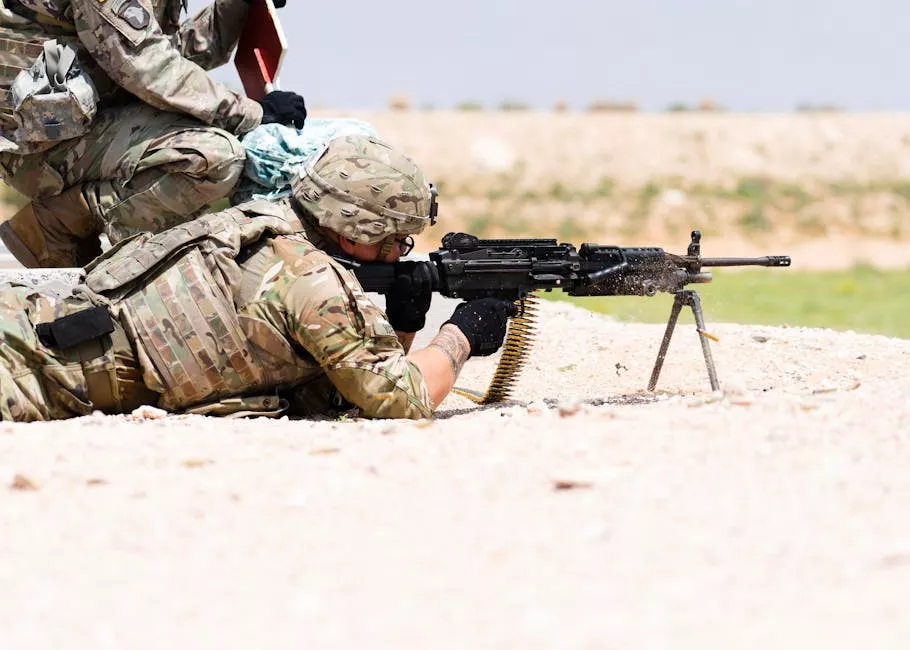
On [specific date], US-Israel forces launched a series of coordinated airstrikes targeting Iranian military installations. These strikes were justified by claims from the US and Israel that Iran was advancing its nuclear capabilities beyond peaceful purposes, violating international agreements. These operations aimed to cripple Iran's ability to develop nuclear weapons and to send a clear message about the repercussions of defying international norms.
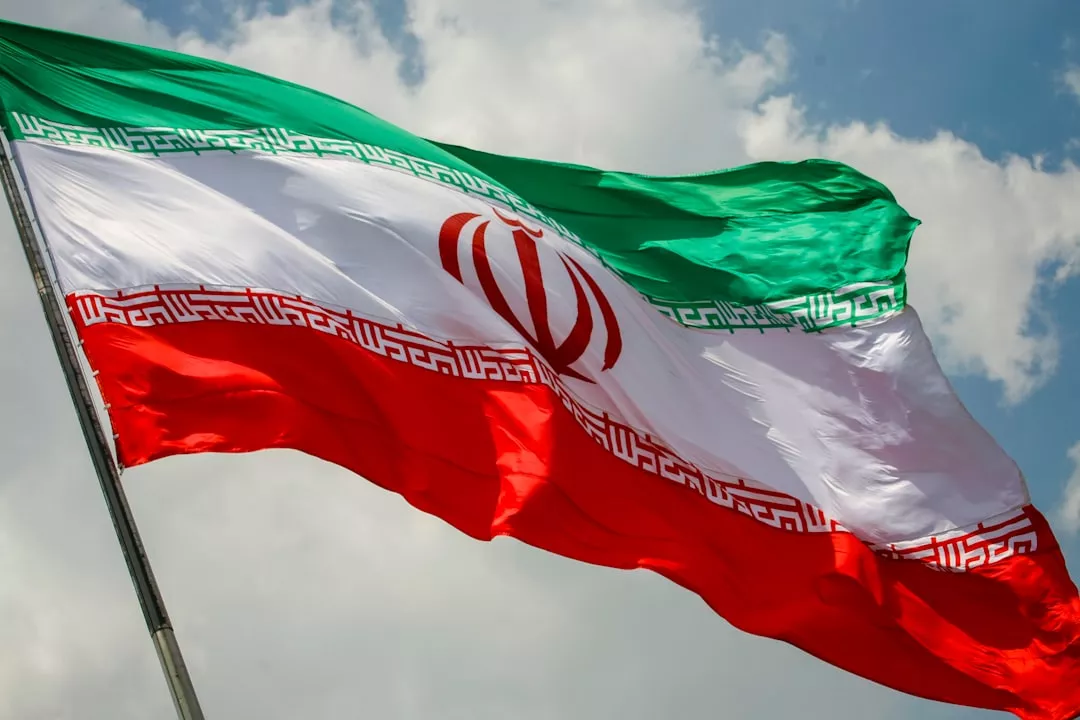
The Iranian government, calling this a direct act of aggression, retaliated by launching a barrage of missiles targeting US and Israeli interests in the region. The attacks hit multiple sites, including [specific targets], underscoring the capacity of Iran to retaliate significantly despite being caught off guard.
Regional Reactions
The international community has reacted with concern, as nations across the Middle East find themselves bracing for potential spillover effects. Countries such as Saudi Arabia and the Gulf States, long wary of Iran's influence, are now caught in a delicate balance of condemning aggression while fearing regional destabilization.
The European Union and the United Nations have urged for de-escalation, calling upon all involved parties to return to diplomatic talks and avoid further military escalation. However, the path to negotiations seems fraught with challenges as tensions remain high.
Geopolitical Implications
The implications of these developments are profound. The threat of a broader conflict looms, potentially involving various state and non-state actors. This could disrupt global oil markets, drive up energy prices, and further strain international relations. Moreover, any prolonged conflict is likely to exacerbate humanitarian crises in the region, displacing more people and escalating the refugee situation.
The strikes and subsequent retaliations have also underscored the fragile state of international arms control agreements. The potential breakdown of these accords could usher in a new era of nuclear proliferation not only in the Middle East but globally.
As the world watches, the prospect of an escalating military confrontation in a region already beset by multiple conflicts hangs in balance. The strategic decisions made by the US, Israel, and Iran in the coming weeks will be crucial in shaping the future dynamics of Middle Eastern geopolitics.
Why It Matters
Why It Matters: The recent US-Israel strikes on Iran, and the ensuing retaliatory attacks, highlight a precarious situation that threatens peace and stability not only in the Middle East but globally. The stakes are high as these actions risk spiraling into a broader conflict involving multiple countries, with significant implications for energy markets and international security. Furthermore, the situation demonstrates the fragility of diplomatic frameworks intended to prevent nuclear escalation. As tensions escalate, it is critical to monitor diplomatic engagements, potential shifts in alliances, and any efforts towards dialogue that could steer the region away from a full-scale conflict.