Escalating US-Israel Strikes on Iran Deepen Mideast Crisis
Intensified US-Israel strikes on Iran raise tensions as civilian deaths mount to 787, marking a critical escalation in this five-day-old conflict.
Africa & Global Economy Correspondent
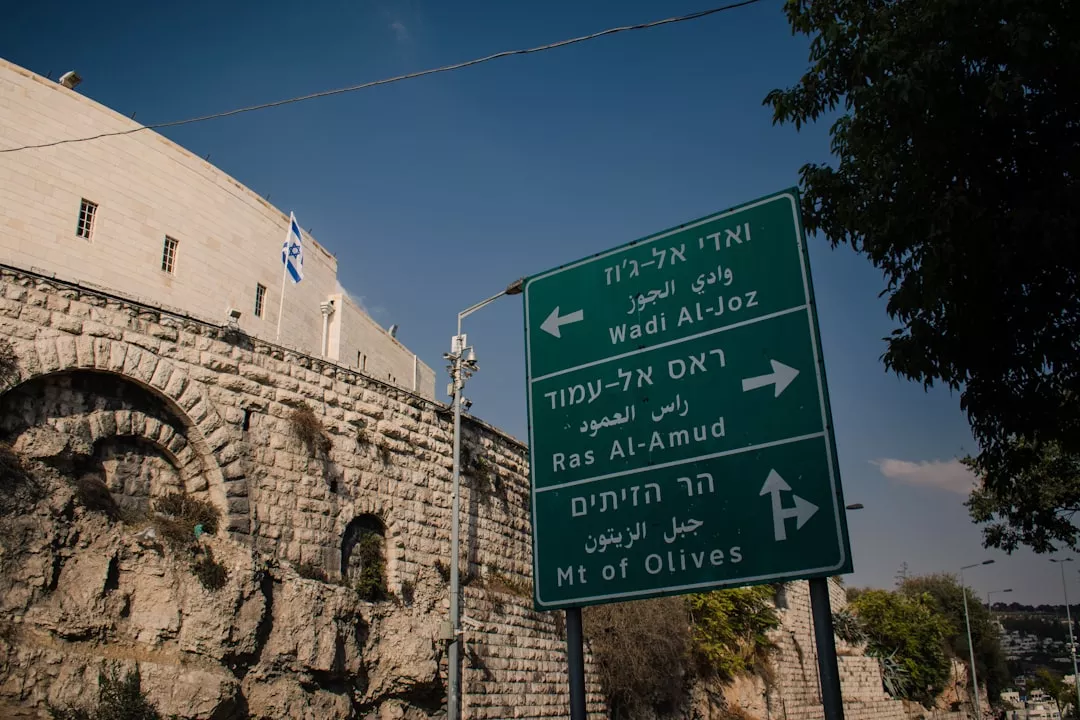
The Middle East is once again the epicenter of global tension as the United States and Israel escalate their military operations against Iran, intensifying a conflict that has now entered its fifth day. With graphic images shared by France 24 revealing extensive damage and a significant death toll, the implications of this escalation are potentially transformative for regional stability.
Background of the Conflict
The confrontation reportedly began with border skirmishes and diplomatic disagreements, but it has now expanded into a full-fledged conflict involving major military operations. Historical animosities between Iran and Israel are long-standing, rooted in geopolitical disputes, religious differences, and power struggles over regional hegemony.
Israel has always viewed Iran as a strategic threat, primarily due to its nuclear ambitions and support for groups hostile to Israeli interests throughout the region. The United States, a staunch ally of Israel, has frequently criticized Iran for its role in fostering instability via proxy wars in Syria, Iraq, and Yemen.
Current Developments
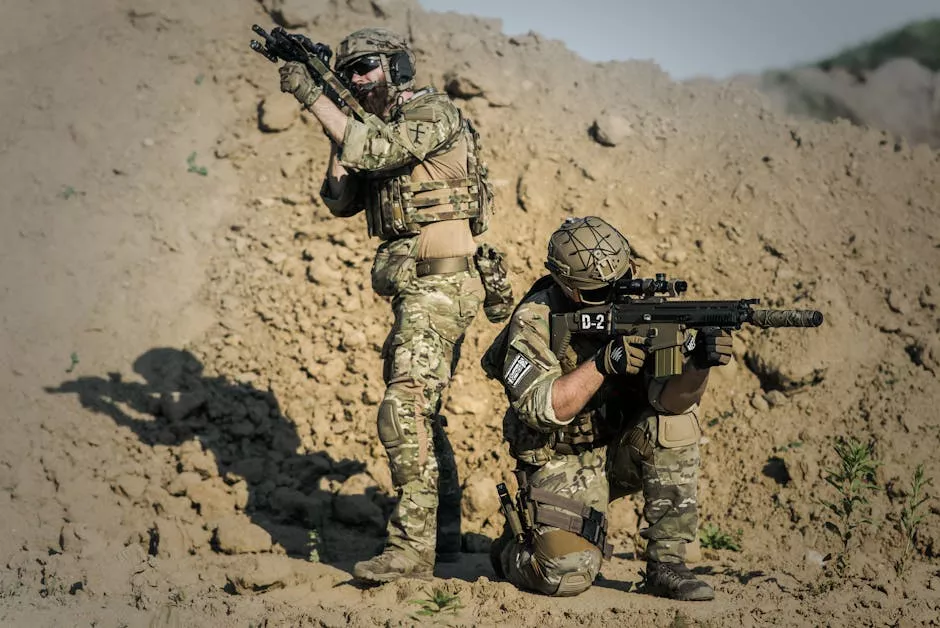
Reports confirm that the attacks have targeted critical infrastructure, military bases, and key government facilities in Iran. According to Reza Sayah, France 24's correspondent in Tehran, the strikes have resulted in significant civilian casualties, with the death toll currently standing at 787. While official US and Israeli channels insist the operations aim to thwart potential threats, the extent of the strikes suggests a broader strategic goal.
The Iranian government, while condemning the actions, has vowed to retaliate with equal force, bringing forth the possibility of a larger conflict that could transcend national borders. Iranian military officials have already begun mobilizing forces, preparing for what could be a prolonged confrontation.
International Reactions
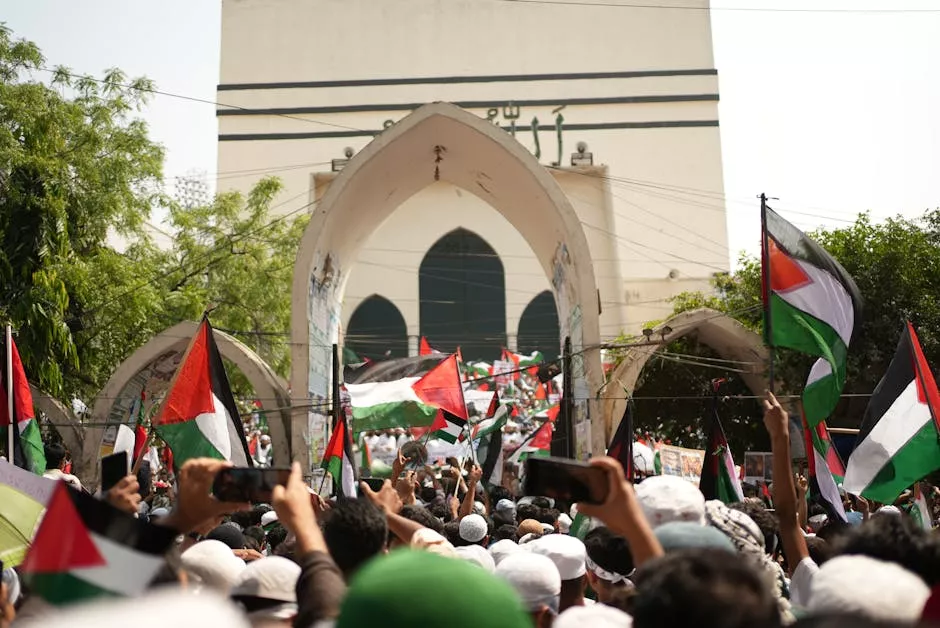
Globally, reactions have varied. The European Union has called for restraint and urged dialogue, fearing the destabilizing effects of a wider war in the oil-rich region. China and Russia, allies of Iran, have similarly criticized the aggression and called for a diplomatic resolution.
Conversely, some Gulf countries have discreetly supported the US and Israeli positions, aligning against Iran's regional influence. However, there is widespread concern about the potential economic repercussions, particularly on global oil markets, which have already shown signs of volatility.
Geopolitical Implications
As this conflict unfolds, the geopolitical landscape of the Middle East is under severe strain. The United States' involvement highlights its continued commitment to Israeli security but also raises questions about the strategic calculus that could embroil it in another Middle Eastern conflict amid rising tensions in the Indo-Pacific and a resurgent Russia.
This escalation also threatens to derail any remaining hopes for peaceful negotiations on the Iranian nuclear program, potentially prompting further proliferation in the region.
Moreover, the humanitarian impact cannot be overstated, as civilian populations in Iran face growing casualties and displacement, evoking international human rights concerns.
Why It Matters
Why It Matters: The intensification of US-Israel military actions against Iran represents a pivotal moment in the shifting dynamics of Middle Eastern geopolitics. Not only does this escalation risk engulfing the region in broader conflict, but it also highlights the fragile nature of diplomatic negotiations concerning Iran's nuclear program. The repercussions could extend beyond immediate military engagements, influencing global oil prices and international relations, particularly between Western allies and other major geopolitical players like Russia and China. Observers should watch for potential retaliatory actions from Iran, shifts in alliances, and the broader humanitarian impact as critical indicators of the conflict's trajectory.