Denmark's Election Tango: Coalition Talks and Potential Power Shifts
Denmark's left-wing bloc wins the vote without a majority, leaving PM Frederiksen's future uncertain as Foreign Minister Rasmussen becomes a key figure in coalition talks.
Senior Geopolitical Analyst
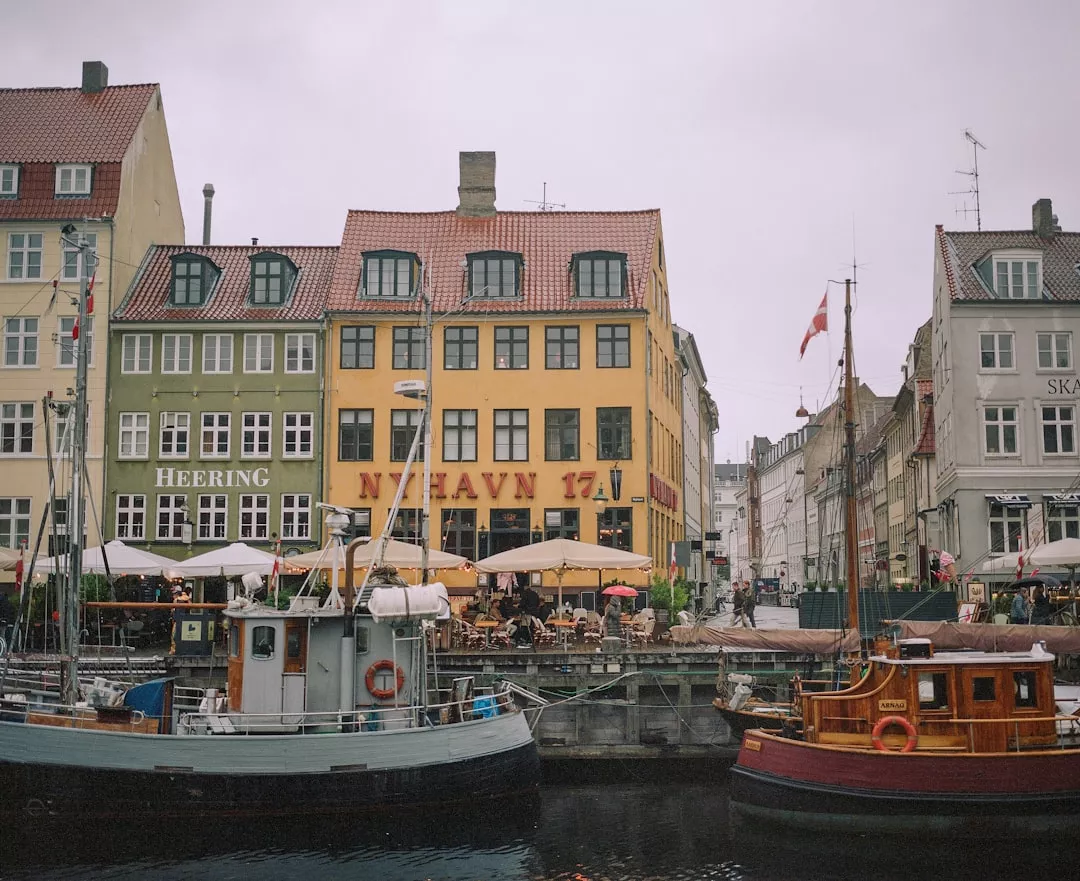
In the aftermath of Denmark’s parliamentary elections, Prime Minister Mette Frederiksen finds herself in a precarious position. Despite her left-wing Social Democrats emerging as the single largest party, they have fallen short of securing a decisive majority. As Frederiksen faces the challenging task of forming a government, the spotlight turns to Foreign Minister Jakob Ellemann-Jensen, whose party holds the key to power.
The Election Outcome
The Social Democrats, led by Frederiksen, managed to secure the largest portion of votes, illustrating retained significant support amongst the Danish electorate. However, disappointment looms as the results reflect a reduced mandate, complicating Frederiksen's path to a possible third term. Her ambitions now hinge on forming a coalition, a common scenario in Denmark's proportional representation system. This could involve engaging with parties across the aisle, including potential allies on the center-right.
The Kingmaker Dynamics
Amidst these complex negotiations, Foreign Minister Rasmussen emerges as a pivotal figure. His party, challenging the traditional left-right divide, could prove instrumental in determining the next government. This development underscores a growing trend in European politics where smaller centrist parties wield disproportionate influence.
Rasmussen's maneuvering will not only decide Frederiksen's political fate but also shape Denmark's policy direction on critical issues such as climate change, economic reform, and international diplomacy. The political balancing act involves satisfying domestic voters and maintaining Denmark's image as a proponent of progressive policies on the global stage.
Historical Context and Regional Perspectives
Denmark, traditionally noted for its stability and consensus politics, is witnessing an evolving political landscape mirroring broader European trends. The decline of outright majority victories and the rise of coalition governments reflect growing political fragmentation across the continent. In recent years, several European nations have experienced similar predicaments, where forming a government requires navigating a mosaic of alliances and ideological reconciliations.
This election further reflects the ongoing dialogue in Europe about national policies within the broader European Union framework. Issues such as immigration, climate policy, and economic austerity have been central to these debates, contributing to the shifting allegiances and rise of new political actors like Rasmussen.
Geopolitical Implications
The outcome of Denmark's electoral negotiations has potential ripple effects beyond its borders. As an EU member, Denmark's government stance directly impacts EU policy formulation, particularly in areas of common interest such as environmental strategy, trade, and collective security measures. Furthermore, with Denmark's strategic location and strong ties within NATO, the government’s stance on security and defense plays a vital role in regional stability and transatlantic relations.
Given the current geopolitical climate, marked by Russia's assertive actions in Eastern Europe and concerns over energy security, Denmark's government formation will be closely observed by international actors. Frederiksen's record includes substantial engagement on these fronts; thus, the composition of her coalition remains critically important.
Why It Matters
Why It Matters: Denmark's election demonstrates a microcosm of broader political trends affecting Europe. The uncertain mandate reflects the increasing volatility of traditional party alliances and the pivotal role of smaller parties in shaping governance. As a country deeply embedded in EU and NATO structures, Denmark's domestic political decisions on coalition formation can reverberate through international policy corridors. The choices made in Copenhagen will influence regional security policies, EU climate goals, and economic strategies, all while testing the balance between domestic commitments and international responsibilities. Observers should watch how coalition talks proceed, potential policy shifts, and Rasmussen's strategic decisions that could redefine Denmark's political trajectory.