Deadly Suicide Attacks in Maiduguri Signal Rising Tensions
At least 23 killed in Maiduguri, Borno State after a series of suicide bombings, raising concerns over regional stability.
Middle East & Diplomacy Specialist

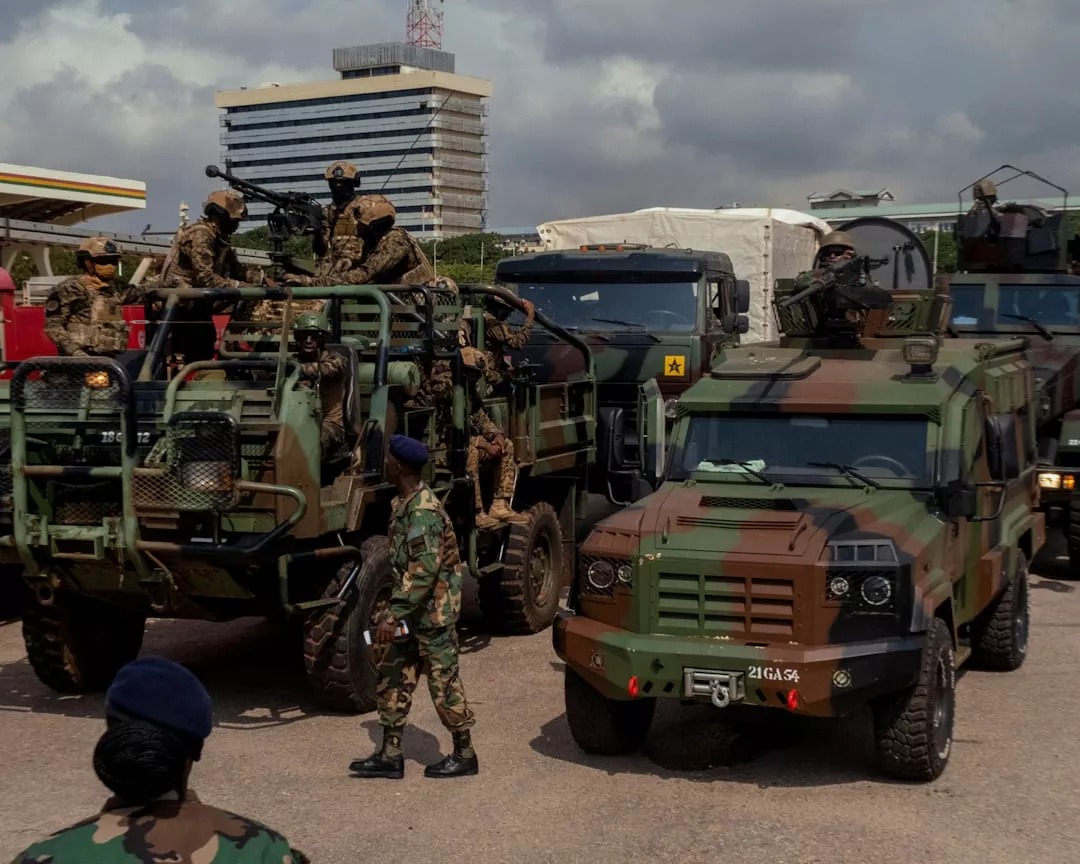
Maiduguri, the capital of Nigeria's Borno State, was struck by a series of devastating suicide bombings that resulted in the loss of at least 23 lives, according to local officials. This tragic event unfolded shortly after an attack on a nearby military post on Sunday night, underscoring a renewed spike in violent extremism in the region.
The surge in attacks has sent shockwaves through a region still grappling with the remnants of a longstanding insurgency. Borno State, often regarded as the epicenter of the Boko Haram insurgency, has seen fluctuating levels of violence over the years. However, the recent wave of attacks suggests that terrorist groups in the area are reenergizing, potentially reigniting a full-scale crisis.
Terrorism and Instability in Borno State
The insecurity in Borno State has been a persistent issue since the early 2000s. Boko Haram, an extremist group based in the region, gained international notoriety for its violent campaign against the Nigerian government and civilians. At its height, the group controlled large swathes of territory and orchestrated attacks that reached as far as the Nigerian capital, Abuja.
Although Nigerian military efforts, often aided by regional partners, have achieved significant victories against Boko Haram, the recent attack highlights the group's or its affiliates' resilience. The ability of these groups to carry out such coordinated attacks suggests an alarming return to tactics designed to destabilize the region further.
Impact on Civilians and the Humanitarian Situation
The humanitarian toll of such continual unrest cannot be overstated. The people of Borno State have endured years of displacement, with many forced into overcrowded camps that lack basic amenities. Furthermore, limited access to food, healthcare, and education exacerbates the challenges faced by these communities.
International humanitarian organizations have often struggled to provide aid due to security concerns, hindering efforts to stabilize the region. The recent attacks could lead to an influx of internally displaced persons, stretching already thin resources even further.
Regional and Geopolitical Implications
Nigeria's struggles with terrorism and insurgency have significant regional ramifications. The Lake Chad Basin, comprising Nigeria, Chad, Cameroon, and Niger, has been plagued by cross-border insurgent activity. The instability in these regions poses a threat to regional security and has resulted in several countries coordinating military and humanitarian responses.
On the geopolitical stage, Nigeria is a pivotal player in Africa, having the continent's largest economy and population. Stability within Nigeria is crucial, not just for its growth, but also for regional stability in West Africa. The increase in violent extremism, if unaddressed, could deter foreign investment and strain Nigeria's international relations.
Nigeria's Response and International Support
The Nigerian government has condemned the attacks and reiterated its commitment to combatting terrorism. Military operations are expected to intensify, with potential support from international allies. However, sustained success will require multifaceted strategies addressing not only military concerns but also socio-economic development and political inclusion.
The role of international partners, such as the African Union and the United Nations, remains crucial in providing support for counter-terrorism operations and humanitarian aid. Continued diplomatic engagements will be necessary to strengthen regional coalitions and enhance intelligence-sharing frameworks.
Why It Matters
The latest attacks in Maiduguri highlight the fragile security dynamics in Nigeria's northeastern region. With Boko Haram and its offshoots potentially regrouping, the consequences extend beyond immediate security concerns. Regional stability in West Africa depends on Nigeria's ability to manage such crises effectively. This situation also provides insight into the broader challenges of combating terrorism globally, where regional efforts must be complemented by international support and cooperation. Observers should watch for Nigeria’s governmental responses, the impact on humanitarian programs, and any shifts in regional military strategies. The unfolding situation serves as a reminder of the complexities in dealing with non-state actors amidst global security priorities.