Churchill Statue Vandalized: Arrest Sparks Global Debate
A man was arrested for defacing the Churchill statue with a 'Zionist war criminal' graffiti, spotlighting historical grievances.
International Relations Correspondent
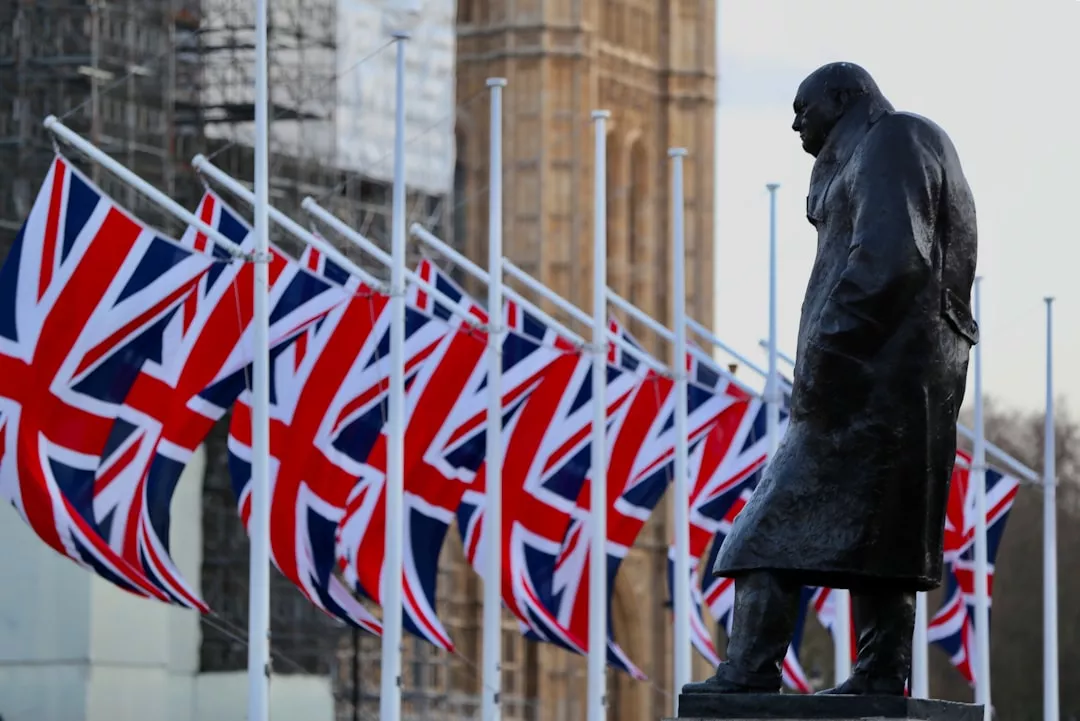
In a striking incident that has reignited discussions on historical legacy and freedom of expression, a 38-year-old man was arrested for defacing the statue of Winston Churchill outside the UK Parliament. The graffiti, which labeled Churchill a 'Zionist war criminal', prompted the Metropolitan Police to detain the suspect on suspicion of racially aggravated criminal damage.
Historical Context of the Controversy
Winston Churchill, the UK's prime minister during World War II, is synonymous with British defiance against Nazi Germany. However, his legacy is a subject of intense debate. While lauded for his wartime leadership, Churchill's policies concerning the British Empire have come under scrutiny. Accusations surrounding his role in the Bengal famine, his views on race, and his staunch imperialism have fueled criticism, particularly among minority communities in the UK.
The recent vandalism adds to a string of global incidents where statues and symbols of controversial figures have been defaced or removed. Movements such as Black Lives Matter have amplified calls to reconsider public representations of historical figures with problematic pasts.
Regional Reactions and Perspectives
The incident has not only resonated within the UK but also internationally. In the Middle East, discussions around Churchill's legacy are often tied to his policies during the formation of the state of Israel and the aftermath of the Ottoman Empire's collapse. Critics argue that his actions played a part in the complex geopolitical struggles that followed.
Meanwhile, in Europe, particularly in post-Soviet states, Churchill is viewed as a crucial ally in the defeat of Nazi Germany, underscoring the diverse perceptions of his legacy.
Global Geopolitical Implications
Such acts of defacement touch on broader themes of historical reevaluation and collective memory. They underscore the ongoing reevaluation of Western historical narratives and their implications in current geopolitical landscapes. This particular case also highlights the interplay between vandalism targeted at historical figures and contemporary geopolitical tensions, especially in the geopolitical hotspot of the Middle East.
By labeling Churchill with derogatory terms linked to present-day conflicts, the act attempts to draw a direct line from historical figures to current-day international issues, which can stoke nationalist sentiments or resurface grievances.
Legal and Societal Implications
The legal ramifications of such acts are significant. The charge of racially aggravated criminal damage suggests that authorities are viewing this not merely as an act of vandalism but as one with broader societal implications. The incident raises questions about the balance between legitimate protest and criminal acts, as well as the role of public art in contemporary society.
The Road Ahead: Navigating Historical Legacies
As debates over historical figures continue to surface globally, societies are increasingly confronted with the challenge of addressing historical injustices while honoring significant past achievements. This tension plays out not only in public discourse but also in the legal and political arenas.
Whether through acts of vandalism or organized debate, the way societies choose to engage with historical legacies will undoubtedly shape national identities and international relations in the years to come.
Why It Matters
The defacement of the Winston Churchill statue represents more than just an isolated act of vandalism; it touches on the broader themes of history, memory, and identity politics. As Western nations grapple with their colonial pasts, events like this force a reckoning with uncomfortable truths and divergent historical interpretations. The incident is emblematic of a global shift towards reevaluating the symbols and narratives that have long dominated public spaces. Furthermore, as geopolitical tensions rise globally, such acts may exacerbate existing conflicts and fuel nationalist rhetoric. Observers should watch how governments and communities address these acts, as they will inevitably influence both domestic policy and international relations, especially concerning post-colonial states and formerly occupied regions.