China's Strategic Energy Reserves Pay Off Amid Global Crisis
Amidst turmoil in the Middle East, China's foresight in energy security provides stability, contrasting with Asia's scramble to conserve resources.
Defense & Security Editor
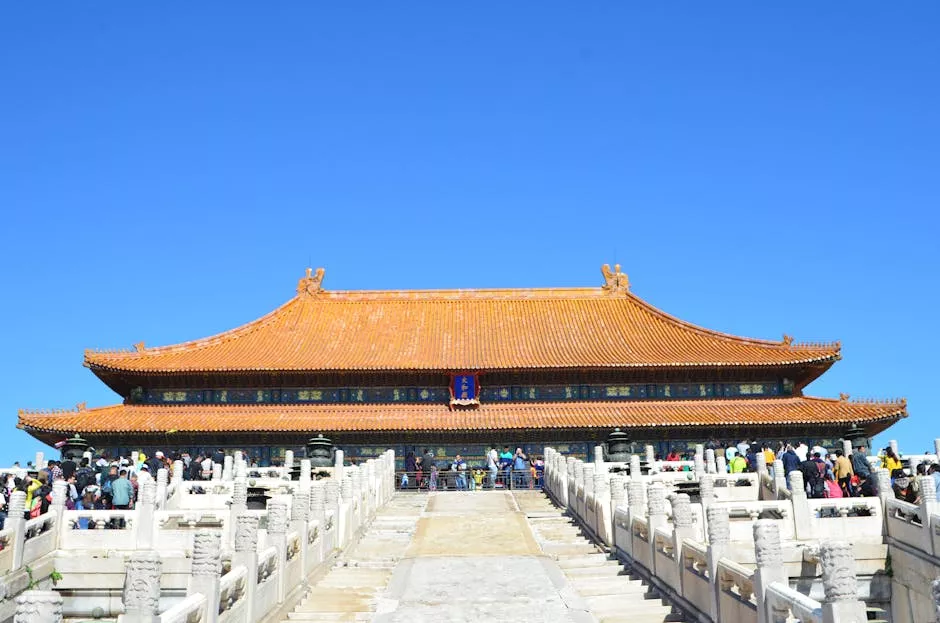
For years, China has been meticulously preparing for a global energy crisis, and its foresight is now proving invaluable as international tensions disrupt energy supply chains. While neighboring Asian countries scramble to secure energy resources amid the US-Israel war's ripple effects on the Middle East, China stands out with substantial oil and gas reserves and a robust alternative energy infrastructure. This strategic positioning highlights a paradigm shift in global energy dynamics, with China demonstrating unparalleled preparedness during a time of crisis.
A Crisis in the Middle East
The Strait of Hormuz, a crucial artery for global oil exports, is facing unprecedented threats as conflict erupts between the US, Israel, and Iran. Military engagements have led to the closure of vital shipping routes and the targeting of key energy facilities, sending shockwaves through the global energy market. As oil prices surge and volatility creeps into Asian economies heavily reliant on Middle Eastern oil, China's strategic decisions are coming to the fore.
China's Long-Term Strategy
Under the leadership of Xi Jinping, China has made significant investments in securing its energy future. Back in 2021, during a visit to a large Chinese oilfield, Xi emphasized the necessity of maintaining control over the nation's energy supply. This directive translated into massive stockpiling of oil and gas reserves, the expansion of domestic energy production, and substantial investments in alternative energy solutions, namely wind and solar power. These measures were taken with the anticipation of geopolitical instability, underscoring China's strategic vantage point.
The Role of Renewable Energy
While fossil fuel reserves provide immediate relief, China's foresight is particularly evident in its adoption of renewable energy. The nation has rapidly become a leader in wind and solar power initiatives, reducing its dependence on foreign oil and setting a benchmark for sustainable energy practices. As the current crisis unfolds, these investments are safeguarding China's industrial and technological sectors from the energy supply shocks impacting other nations.
Global Implications and China’s Ascendancy
China's strategic energy reserves and diversification efforts not only protect its economy but also elevate its position as a stable leader in global energy markets. This crisis has underscored a growing division where energy security becomes a critical factor in assessing global power dynamics. As China showcases resilience, other nations may reevaluate their energy policies and partnerships, potentially leading to shifts in diplomatic and economic alliances.
Regional Responses and Future Outlook
The current Middle Eastern crisis offers clear lessons for Asian economies dependent on external energy supplies. It highlights the necessity for internal capacity building and diversification away from oil reliance. As both a competitor and collaborator in the region, China's energy security strategy might serve as a blueprint for its neighbors.
The broader regional impact could also prompt increased investments in alternative energy, encouraging technological innovation and environmental sustainability initiatives across Asia. Meanwhile, geopolitical tensions remain a significant risk, necessitating a vigilant and adaptive approach to international relations and national security strategies.
Why It Matters
Why It Matters: The ongoing Middle East crisis starkly emphasizes the global reliance on a few critical chokepoints, like the Strait of Hormuz, for energy supplies. China's strategic hoarding and development of diversified energy resources highlight a shift in how countries might approach energy security in an increasingly unpredictable world. China's preparedness not only safeguards its economic stability but also positions it as a potential energy leader that other economies might look to as a model. This crisis could push other nations to reconsider their energy policies, fostering a more resilient global system. As tensions persist, it's vital for observers to track how global energy policies adapt, considering the geopolitical and environmental imperatives at play.