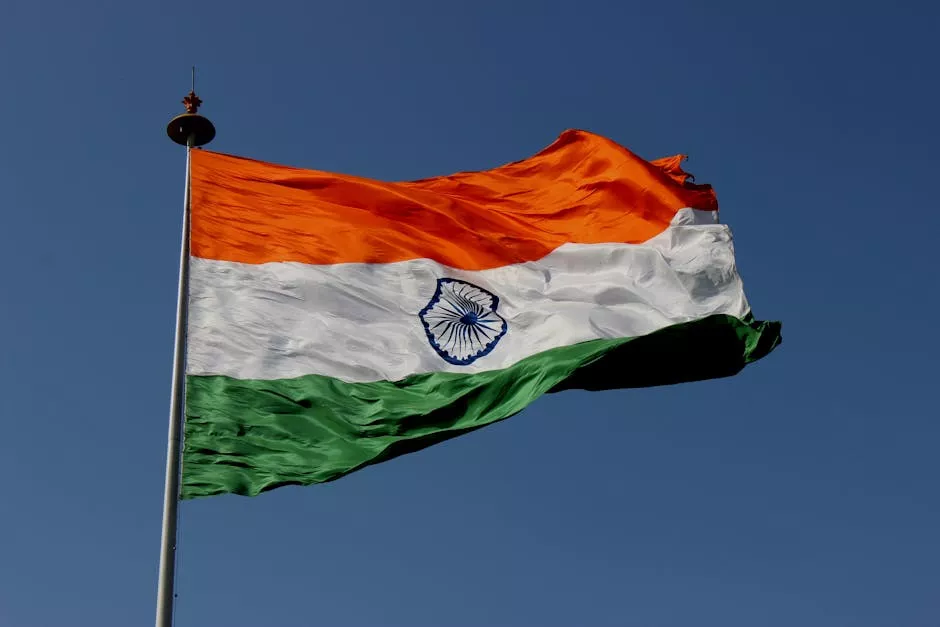
Canada-India Economic Ties Strengthen Amid Diplomatic Tensions
Canada and India focus on boosting economic ties despite tensions over a controversial incident in 2023.
Senior Geopolitical Analyst
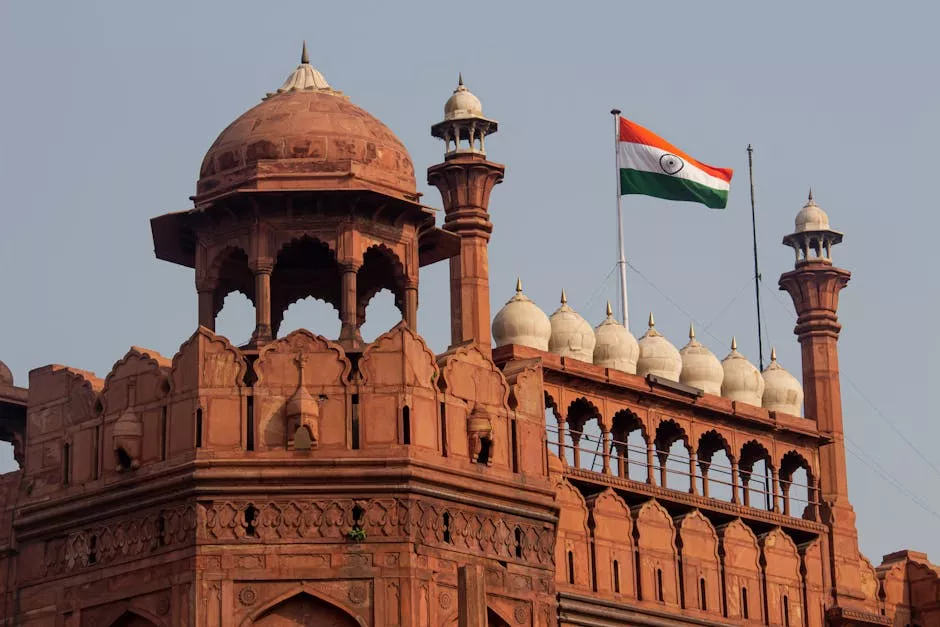
During a crucial meeting between Canadian Prime Minister Mark Carney and Indian Prime Minister Narendra Modi, the focus was strategically shifted towards enhancing business ties, seemingly setting aside recent diplomatic tensions. The meeting, which took place amidst a backdrop of allegations concerning India's involvement in a deadly shooting in Canada in 2023, highlighted the economic interests that both nations prioritize despite political strains.
Background of Diplomatic Strain
The alleged involvement of Indian operatives in a shooting incident in Canada created ripples in the diplomatic ties between the two Commonwealth nations. The incident, which involved a prominent activist with perceived anti-India sentiments who was shot dead in Canadian territory, drew international attention and calls for a thorough investigation. This shooting incident, reported in early 2023, led to a temporary chill in bilateral relations and raised concerns about foreign interference on Canadian soil.
Emphasis on Economic Partnership
Despite these underlying tensions, the meeting between Carney and Modi was characterized by a forward-looking agenda focusing primarily on economic collaboration. According to official sources, Canada and India are looking to significantly enhance their trade volume, targeting sectors such as technology, energy, and agriculture. Both leaders underscored the importance of economic interdependence and mutual growth objectives in their bilateral relationship.
Historical Context
Historically, Canada and India have shared robust economic ties, often complementing their skills and resources in various sectors. The technology transfer agreements and collaborations in clean energy initiatives in the past have propelled both nations towards a progressive mode of cooperation. However, political and sometimes diplomatic challenges have occasionally tested these economic partnerships.
Regional and Global Implications
As two major players in the Indo-Pacific region, the strengthening of ties between Canada and India carries significant geopolitical weight. The Indo-Pacific, marked by strategic maritime routes and significant economic activity, benefits from the active cooperation of nations such as Canada and India. Furthermore, this relationship could serve as a counterbalance to other dominant regional players, enabling a multipolar balance critical for regional stability.
Political and Economic Calculations
The decision by both leaders to prioritize trade over their recent spat reflects the nuanced nature of international relations where economic goals often take precedence over political disagreements. Analysts suggest that Canada sees India as a vital partner in diversifying its economic relationships beyond its traditional allies. Meanwhile, India values Canada's strategic position and technology sector strength as it seeks to establish itself as a global economic powerhouse.
Future Prospects and Challenges
Looking ahead, the renewed focus on economic ties between Canada and India is expected to open avenues for greater people-to-people connections and business opportunities. However, the governments will need to address the lingering trust issues emanating from the 2023 incident to ensure a stable and mutually beneficial partnership. Continued dialogue and transparency will be critical in overcoming these hurdles.
Why It Matters
Why It Matters: The decision by Canada and India to compartmentalize their economic engagement from political discord underscores a broader global trend where nations increasingly prioritize economic stability and regional influence over resolving diplomatic conflicts. This strategic pivot by both countries could signify a shift in how traditional allies navigate crises while maintaining economic growth. Such a development holds lessons for other regions experiencing similar tensions, pointing towards a pragmatic approach to international relations characterized by dual-track engagements. Observers should monitor the upcoming economic agreements for indications of tangible progress and watch for any breakthroughs in diplomatic reconciliation efforts.