Belgium Arrests Cameroon Separatists over War Crimes Funding
Belgium detains three Cameroonian separatists linked to raising funds for armed conflict, highlighting international aspects of the ongoing strife.
Middle East & Diplomacy Specialist
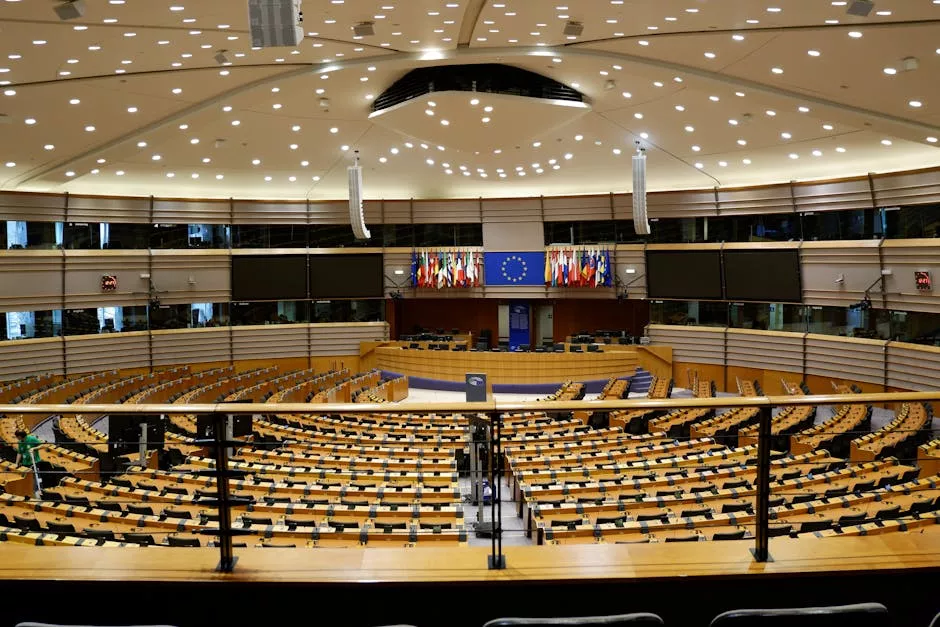
In a significant development with international ramifications, Belgian authorities have detained three individuals suspected of involvement in the ongoing separatist conflict in Cameroon. These individuals are believed to have been part of a network raising funds for the separatist movement, an act that Belgian prosecutors allege is connected to war crimes.
Background of the Cameroon Conflict
Cameroon's Anglophone crisis, a complex and deep-rooted issue, has been escalating since 2016. The conflict began due to the perceived marginalization of the English-speaking minority in a predominantly French-speaking country. Separatists in the northwestern and southwestern regions of Cameroon have engaged in an armed struggle for independence, leading to severe human rights violations and displacement of thousands.
The Role of the Diaspora
The Cameroonian diaspora has played a critical role in the conflict, often providing financial and moral support to the separatist cause. The recent arrests in Belgium underscore the extent to which the diaspora is being scrutinized for potential involvement in financing armed groups. The global nature of this involvement has prompted several countries, including the United States and now Belgium, to take measures against individuals suspected of supporting violence abroad.
Belgium's Legal Perspective
Belgium, known for its stringent laws against terrorism and money laundering, has taken a keen interest in the activities of foreign nationals on its soil who could be influencing conflicts elsewhere. The Belgian authorities' decision to detain these Cameroonian individuals underlines the complexities of defining and prosecuting war crimes associated with terrorism and separatism. This move highlights Belgium's dedication to international justice and its cooperation with international partners to curb the financing of terrorism.
Regional Reactions
The arrest of these figures is likely to be met with mixed reactions in Cameroon and its diaspora. Proponents of the separatist movement may view these arrests as an infringement on political expression, whereas the Cameroonian government is expected to welcome the move as a step toward curbing international support for separatist factions.
The African Union and other regional bodies have called for dialogue and peaceful resolution in Cameroon, but such international incidents complicate these efforts. The blanket crackdown on diaspora activities, while legally justified, could potentially exacerbate tensions between the separatists and the Cameroonian government.
Geopolitical Implications
This development is not isolated, as it points to a larger trend where Western nations are increasingly holding individuals accountable on their soil for conflicts happening elsewhere. The implications of these arrests reach beyond Belgium and Cameroon, signaling to separatist groups worldwide that financial and logistic support from abroad will face legal challenges.
Furthermore, Belgium's action might encourage other European nations to reassess the activities of their immigrant communities in relation to foreign conflicts. This could lead to a more stringent legal framework regarding the financing of political violence, affecting diaspora communities globally.
Potential Outcomes
The arrest of the suspected separatists can have numerous outcomes, including a possible diplomatic dialogue between Cameroon and Belgium, a reevaluation of diaspora activities by international bodies, and heightened scrutiny on how separatist funding is managed across borders.
Why It Matters
The arrest of Cameroonian separatists in Belgium underscores the transnational nature of modern conflicts and the role of diaspora communities in these conflicts. This event's geopolitical significance lies in its potential to shift how countries deal with the financing of separatist movements and terrorism. As nations like Belgium pursue such cases, it sets a precedent for international cooperation and legal action against those perceived as supporting violence. Observers should watch for subsequent diplomatic interactions between Belgium, Cameroon, and other involved states, which may influence global legal standards regarding diaspora involvement in foreign conflicts.