Balendra Shah: Nepal's Gen Z Choice for Prime Minister
Balendra Shah emerges as a transformative leader for Nepal following a Gen Z political revolution, set against a backdrop of regional shifts and challenges.
Africa & Global Economy Correspondent
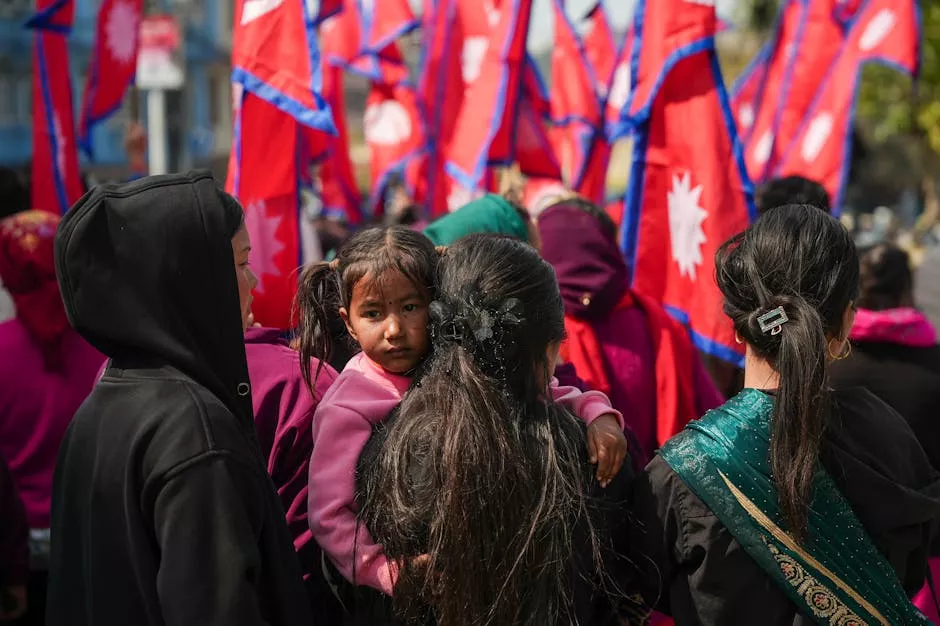
The political landscape of Nepal is witnessing a seismic shift with the emergence of Balendra Shah, a charismatic rapper-turned-politician who is poised to become the country's next Prime Minister. His party's landslide victory marks a new era driven largely by the Gen Z population of Nepal, signaling a transformation in the nation's political and cultural dynamics.
Rise of a Rapper
Balendra Shah, often known by his stage name, Balen, has long been a popular figure in Nepal's music scene. Known for his pugnacious style and lyrical prowess, Shah has managed to channel the energy and restlessness of Nepal's youth, which has been pivotal in his successful foray into politics. However, his appeal is not merely superficial. Shah has adeptly captured the disillusionment with the traditional political elite, promising reforms and a fresh perspective.
Context of Change
Nepal has grappled with political instability for decades, with frequent changes in government and ruling coalitions. This has often hindered consistent policy-making and development. The entry of a Gen Z leadership could potentially recalibrate Nepal's trajectory, as this demographic is more connected, informed, and eager for change.
Historical and Regional Perspectives
Nepal's political history is intricate, marked by monarchy, civil war, and the lengthy transition to a federal democratic republic in 2008. Shah's rise to power occurs within this complex history and reflects a growing trend across South Asia, where younger leaders are emerging. Regionally, this shift is significant as Nepal is strategically positioned between two major powers, India and China. Both nations have vested interests in Nepal's socio-economic policies and stability.
While India has traditionally held sway over Nepal's politics due to shared cultural and historical ties, China's influence has grown in recent years through investments and infrastructure projects, notably under the Belt and Road Initiative. Shah's leadership might reshape these dynamics, leveraging Nepal's geographical significance to foster more balanced regional relations.
Geopolitical Implications
The international community closely watches Nepal's political developments, aware of its potential implications for regional stability and power balance. Shah's political strategy, marked by assertiveness and a focus on nationalism, might redefine Nepal's foreign policy stance. This could affect trade negotiations, international collaborations, and regional security arrangements. Shah's administration could seek to amplify Nepal's voice on global platforms, advocating for issues such as climate change resilience and sustainable development.
Moreover, his success highlights a broader trend of youth-driven political movements globally, echoing similar patterns observed in regions like the Middle East and Africa. Such movements often emphasize transparency, social justice, and technology-driven solutions, aligning with global shifts towards more inclusive and innovative governance.
Why It Matters
In a broader geopolitical context, Balendra Shah's ascension to Nepal's premiership represents a crucial pivot towards youth-led governance at a time when traditional political structures are being challenged globally. His leadership will not only redefine Nepal's domestic policies but could also influence its international relations, particularly with regional giants India and China. Observers should watch for shifts in Nepal’s diplomatic alignments and potential regional collaborations that could emerge as a result of this leadership transition. The emphasis on youth empowerment and innovative governance reflects a growing trend that may inspire similar political evolutions in other emerging democracies.