Australian Troops Secure After Middle East Drone Strike Incident
Australian troops in the Middle East remain unscathed after a drone strike hits their base. Richard Marles calls for caution amidst ongoing regional unrest.
Middle East & Diplomacy Specialist
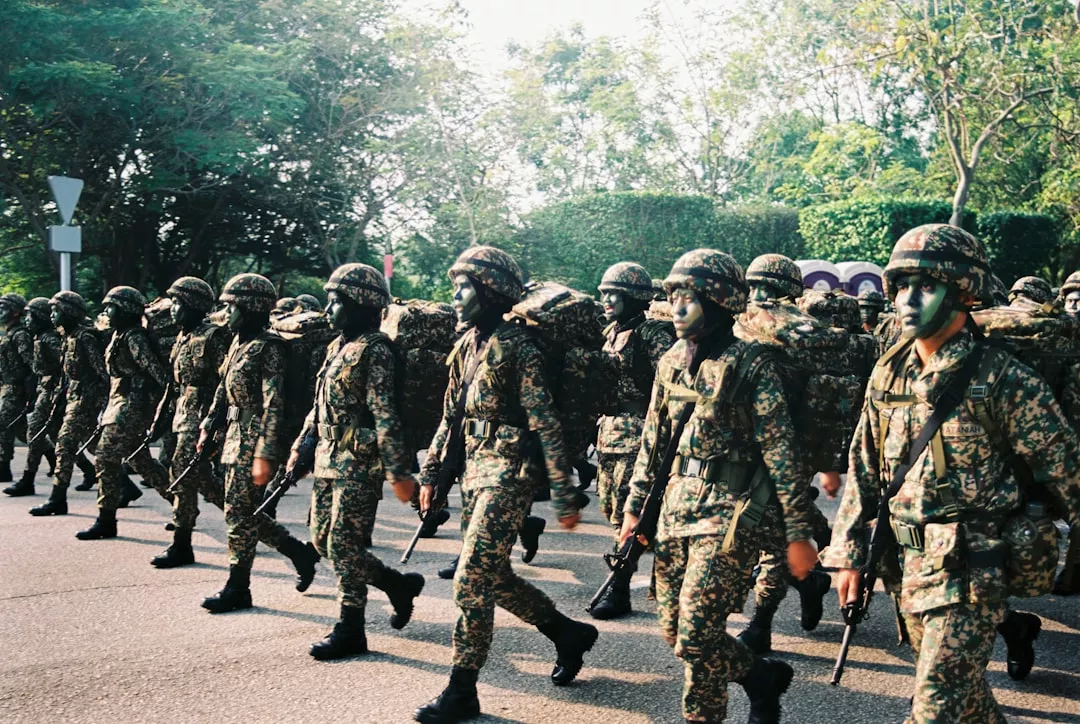
In a developing situation that adds complexity to an already volatile global backdrop, Australian Defence Force (ADF) personnel stationed in the Middle East have been confirmed safe following a recent drone strike on their base, dubbed as ADF’s 'home away from home'. Deputy Prime Minister and Minister for Defence, Richard Marles, reassured the nation on the safety of its troops during an appearance on ABC News Breakfast.
A Fragile Peace and Rising Tensions
The strike, whose origins remain under investigation, highlights the fragile nature of peace in the Middle East—a region fraught with historical conflicts and ongoing tensions. This event underscores the persistent threat militaries face from non-conventional warfare tactics, such as drone strikes, that have become a significant aspect of modern military engagements.
Marles emphasized the need to take the situation “a day at a time,” while acknowledging the economic implications that could arise from prolonged instability. This rhetoric reflects a broader uncertainty as Middle Eastern politics remain unpredictable, with potential ripple effects on global economies.
Echoes of Historical Conflict
The Middle East has long been a hotspot for geopolitical strife. Historical factors, including colonial legacies, religious conflicts, and control over vast oil reserves, have led to frequent disputes. Over the years, international involvement, notably by superpowers, has often exacerbated these tensions. The latest developments serve as a stark reminder of the complex and layered challenges that characterize the region.
Australia has maintained a presence in the Middle East for decades, contributing to various allied missions aimed at ensuring regional stability and combating terrorism. The current scenario, however, presents a dire question: how sustainable is the presence of foreign troops in such an unpredictable environment?
The Government's Position and Public Sentiment
Meanwhile, the Australian government remains cautious in its approach. The sentiment expressed by Marles highlights the challenges faced by policymakers: balancing national security interests with the desire to minimize involvement in distant conflicts that carry significant risk.
Public opinion in Australia appears divided. While some citizens support the government's efforts to maintain international peace, others question the merits of exposing Australian personnel to heightened danger in a region where enduring peace seems elusive.
The Impact of Economic Consequences
The potential economic fallout of extended conflict in the Middle East cannot be overstated. Energy prices are particularly sensitive to instability in this region, as it houses some of the world’s largest oil reserves. Prolonged disruptions could lead to increased oil prices globally, impacting everything from transportation costs to food prices.
This underlines the interconnectedness of geopolitical events and global markets, showing how a localized conflict can have global ramifications. The Australian government remains vigilant, assessing these risks and preparing to mitigate adverse outcomes.
What Lies Ahead
As the situation evolves, all eyes are on further developments and diplomatic efforts aimed at de-escalating tensions. The response from other nations, particularly those with vested interests in Middle Eastern politics, will be crucial in determining the trajectory of this conflict.
In such uncertain times, Australia’s strategic response—balancing diplomatic negotiations with military readiness—will be critical. The challenge remains in aligning national defense policies with broader international efforts to secure a stable and peaceful Middle East.
Why It Matters
The significance of this event resides in its potential as a flashpoint for larger-scale military and economic consequences. The Middle East’s history of conflict and its critical role in global energy supplies mean that disruptions here can lead to widespread instability. Increased military action could draw in international alliances, leading to extensive involvement from global powers, escalating tensions further.
For Australia, managing its overseas military commitments while safeguarding economic interests involves a delicate balancing act. Observers should closely monitor diplomatic responses and oil market trends, as they will offer insights into how this complex scenario might unfold. The evolving geopolitical landscape will require astute navigation to prevent broader ramifications.