Alawite Women in Syria Face Harrowing Kidnappings and Abuse
Exploring the harrowing plight of Syria's Alawite women facing targeted kidnappings and abuses amid ongoing conflict.
Senior Geopolitical Analyst
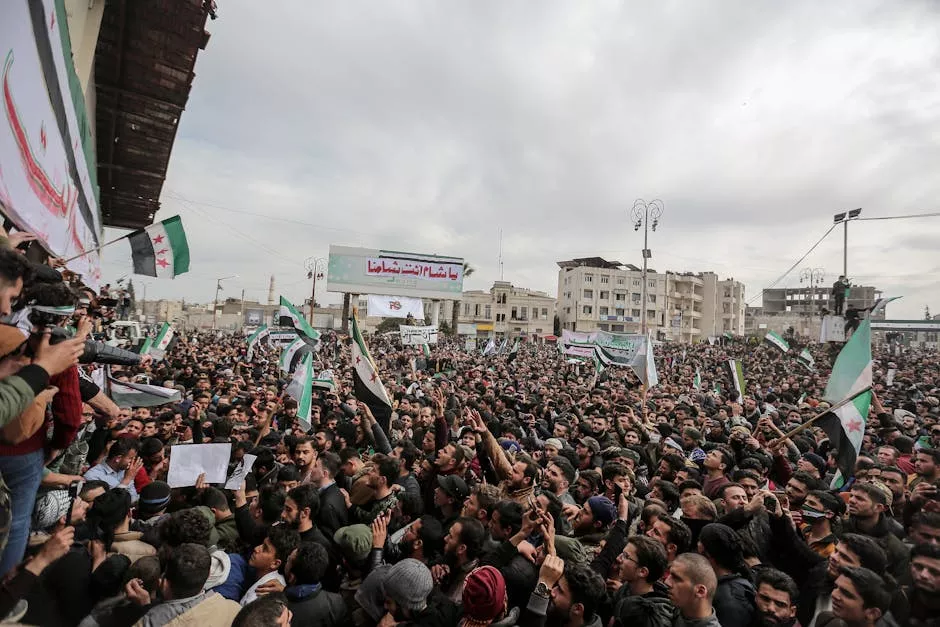
The recent harrowing testimonies from women of Syria's Alawite minority highlight a dark and often overlooked dimension of the Syrian conflict. These accounts, shared with the BBC, detail a series of kidnappings and sexual assaults targeting the Alawite sect, which has long been associated with former President Bashar al-Assad's regime. These reports reveal the complex intersection of sectarian tension and gender-based violence that has marked the Syrian civil war.
Historical Context
The Alawite minority, a sect of Shia Islam, has historically held significant power in Syria, especially since the rise of Hafez al-Assad in 1970. Bashar al-Assad, himself an Alawite, continued this legacy, leading to perceptions of Alawites as aligned with the regime. This association has unfortunately placed the community in the crosshairs of various rebel factions throughout the conflict.
The Syrian civil war, which began in 2011, has been a multifaceted conflict involving numerous domestic and international actors. Sectarian divisions have played a significant role in the conflict, with numerous groups exploiting these differences to forward their agendas. The targeting of Alawite women can be seen as a continuation of this sectarian violence, where individual civilians become collateral in broader political and military strategies.
Current Realities
The narratives gathered by the BBC expose the severity and personal impact of these sectarian conflicts. Women recount being forcibly taken from their homes, subjected to sexual violence, and living in perpetual fear. This is not just an assault on individuals but an attack on the already fragile social fabric of communities caught in the crossfire.
Human rights organizations have been continually highlighting the sexual violence perpetrated during the Syrian conflict, emphasizing that it is often used systematically as a weapon of war. The targeting of Alawite women underscores the cruel stratagems employed by various factions seeking to undermine perceived regime supporters.
Geopolitical Implications
The narratives emerging from Syria have broader geopolitical implications. For one, they illustrate the deeply entrenched sectarian divides that will likely challenge any future peacebuilding efforts in the region. As long as such violence persists, reconciliation processes will face significant hurdles.
Furthermore, these reports put pressure on international actors involved in Syria, including Russia, Iran, Turkey, and the United States, to address these human rights violations in their diplomatic negotiations.
The international community's response, or lack thereof, may set a precedent for how gender-focused violence in conflict zones is handled globally.
Regional Perspectives
The regional impact of these atrocities cannot be overstated. Neighboring countries, already burdened with the influx of Syrian refugees, face additional challenges as sectarian violence threatens to spill over their borders. Lebanon, Turkey, and Jordan, in particular, harbor significant numbers of refugees, including Alawite communities, who may continue to experience the ramifications of these sectarian tensions.
The situation also complicates intra-regional relations, fostering distrust and potentially influencing the policies of Middle Eastern governments as they navigate their own sectarian dynamics.
Why It Matters
Why It Matters: The plight of Alawite women in Syria highlights how sectarian and gender-based violence can intersect in conflict zones, creating complex humanitarian crises. The geopolitical significance of these reports lies in their potential to influence international policies related to Syria, particularly in how global powers address human rights abuses in conflict diplomacy. This spotlight on the Alawite minority could alter perceptions and strategies concerning Syria's intricate social fabric among international stakeholders. Moving forward, observers should monitor how these revelations impact peace negotiations and humanitarian aid priorities in Syria and its neighboring regions.