Afghans Caught in Crisis: Fleeing Iran Amidst Double Conflicts
Afghan workers and students return home from Iran as escalating conflicts choke off vital economic ties.
International Relations Correspondent
Afghans Returning Home: A Dire Situation
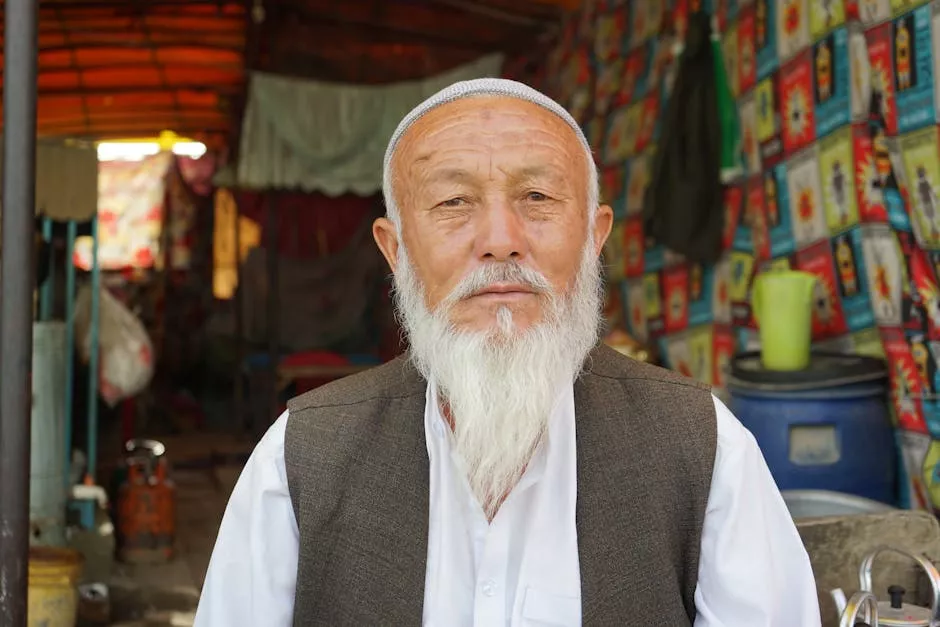
The conflict-torn land of Afghanistan faces yet another wave of distress as its citizens, who sought refuge and livelihood in Iran, are now compelled to return home. The escalating war in Iran has become the latest pressure point for Afghanistan, leaving an estimated 70,000 Afghan workers and students with no choice but to return to a homeland grappling with its own tumultuous security challenges.
Iran: Afghanistan's Economic Lifeline at Risk
For years, Iran has been a crucial neighbor for Afghanistan, offering economic opportunities and an avenue for education. The economic interdependence has been especially vital as Afghanistan rebuilds its war-torn infrastructure. Iranian markets provided not only jobs for over two million Afghan migrants but also a remittance flow that significantly supported Afghan households. Amidst Iran's ongoing crisis, however, this financial bridge is crumbling.
The conflict in Iran now chokes the economic lifeline that has sustained countless Afghan families. With Iran preoccupied by its own domestic turmoil, the hospitality once extended to Afghan migrants is rapidly retracting. This sudden shift places immense pressure on Afghanistan's fragile economy, already strained by internal conflict and a lack of international support following the Taliban's resurgence in 2021.
The Human Toll: Migrants in Limbo
Afghans who migrated to Iran found themselves marginalized both socially and economically. These individuals, many of whom belong to the Hazaras and other minority groups, were escaping Taliban persecution. Now they return to Afghanistan, where insecurity and social instability still prevail. Unemployment, lack of medical care, and the danger posed by ongoing military conflicts are their grim realities.
The returnees face bleak prospects. The Afghan government, struggling to gain international legitimacy and manage its humanitarian crisis, lacks the infrastructure to support this sudden influx. Increased population pressures could heighten social tensions, potentially leading to further unrest and displacement within Afghanistan's borders.
Historical Context and Regional Dynamics
Historically, Iran and Afghanistan share a deep socio-cultural connection, with cross-border ethnic ties playing a crucial role in their bilateral relations. Political upheaval in either country tends to have repercussions across the border, often leading to increased migration. The current environment echoes past crises where geopolitical instability precipitated humanitarian challenges and mass migrations in the region.
The intensifying conflict in Iran adds a complex layer to regional geopolitics. Both the Middle East and South Asia find their security landscapes dynamically altered. The shifting allegiances and the strategic realignments driven by these conflicts will likely exacerbate existing tensions, placing global powers in a position to reassess their engagements with these critical players.
Geopolitical Implications
The plight of Afghan migrants underscores broader geopolitical implications. The situation exacerbates regional instability, with neighboring countries like Pakistan and Central Asian states potentially facing new waves of refugees. The international community must carefully monitor these developments as they could destabilize regional balances.
Moreover, Iran's diminishing role as an economic partner to Afghanistan poses severe implications not just for the region but for wider international energy and security considerations. The interplay between the two nations' crises could prompt action from global powers with vested interests in the Middle East and Central Asia, seeking stability and attempting to mitigate the humanitarian fallout.
Why It Matters
Why It Matters: The Broader Impact
The forced repatriation of Afghan migrants from Iran signals profound regional instability. The ripple effects might challenge global peacekeeping missions and humanitarian organizations already stretched thin. Moreover, this dynamic could alter regional power structures, enforcing new alliances or discord among key stakeholders. Political observers must watch closely as the situation could invite foreign intervention aimed at stabilizing these pivotal regions, impacting global markets and diplomatic strategies.