Afghanistan Averts Pakistani Airstrikes on Bagram amid Rising Tensions
Afghanistan announced it thwarted Pakistan's airstrike attempt on Bagram, escalating cross-border tensions and highlighting rising conflict.
Africa & Global Economy Correspondent
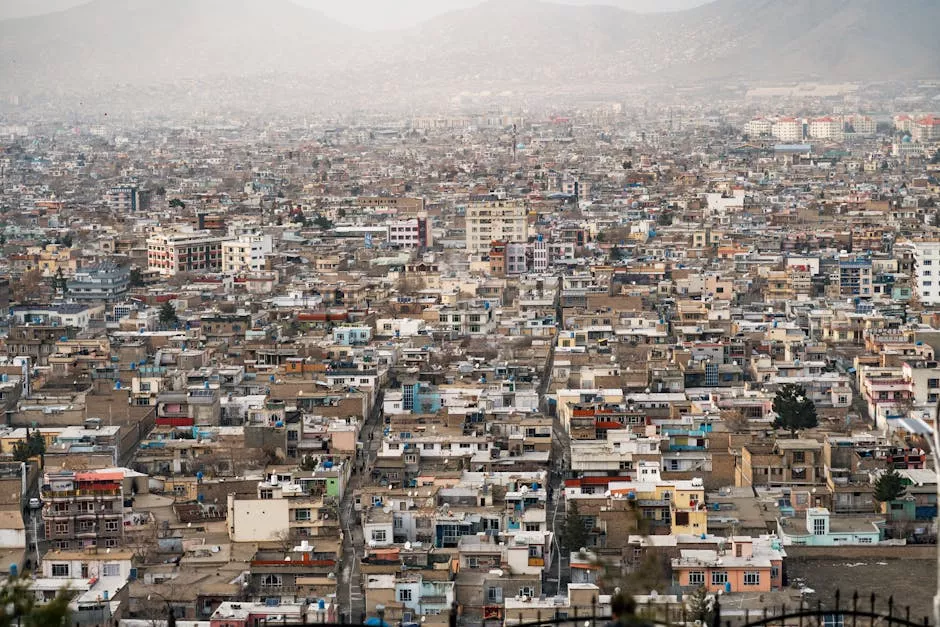
As tensions between Afghanistan and Pakistan escalate, Afghanistan has claimed it successfully thwarted an attempted airstrike by Pakistani forces on Bagram airbase, a significant former U.S. military base in proximity to Kabul. The incident marks a critical juncture in the ongoing cross-border conflict, intensifying after four days of intermittent clashes and increasingly strained diplomatic relations.
Historical Context
The roots of the current conflict are deeply embedded in the historical animosity and unresolved border disputes between Afghanistan and Pakistan. The two nations share a rugged and porous border, famously known as the Durand Line, established in 1893 yet never officially recognized by Afghanistan. This contentious boundary has long been the focal point of tension, exacerbated by militant activities and cross-border terrorism.
Since the withdrawal of U.S. forces in 2021, Afghanistan has been navigating a precarious path with its neighbors. However, the resurgence of the Taliban has altered regional dynamics, with Pakistan seeking to manage its influence while confronting domestic security threats allegedly emanating from Afghan soil.
Regional Perspectives
Regional alliances and rivalries further complicate the scenario. Pakistan's strategic ties with China juxtapose its delicate balancing act with the United States. Recent years have seen Islamabad pursuing a 'geo-economic' vision, hoping to transition from geopolitics to economic development focus. However, escalating tensions with Afghanistan pose a significant challenge to this pivot.
Meanwhile, Afghanistan under Taliban rule faces international isolation, pushing it closer to other regional powers like Iran and Russia, further straining Pakistan's geopolitical calculus. The international community, particularly neighboring countries, keep a close watch on these developments, wary of potential destabilization spilling across borders.
Moves and Countermeasures
The Pakistani airstrike attempt signals a strategic decision to pressure Afghanistan, possibly to quell militant sanctuaries believed to contribute to insurgencies within Pakistan. Afghanistan's rebuttal has intensified the rhetoric from both sides, with Pakistan even declaring an 'open war', emphasizing the seriousness of the conflict.
Both nations have released conflicting reports on the death tolls resulting from the ongoing skirmishes, further muddying the waters around the genuine impact and intent behind these military engagements. These conflict narratives serve both domestic and international audiences, each nation striving to legitimize its stance and actions globally.
Geopolitical Implications
This escalating conflict has far-reaching geopolitical implications, particularly concerning the stability of South Asia and the potential for broader international involvement. The United States, although having ended its military operations in Afghanistan, continues to monitor the region, wary of any resurgence in terrorism threatening international peace.
Potential Outcomes
The continuation of hostilities holds dire consequences for economic development, regional security frameworks, and humanitarian conditions within both countries. Efforts from global diplomatic channels may focus on de-escalation talks, although success remains uncertain given the complex historical and political contexts.
Why It Matters
Why It Matters: The recent thwarted airstrike attempt by Pakistan on Bagram airbase is symptomatic of broader regional instability and persistent geopolitical tension in South Asia. This incident underscores the fragile peace in the region, with significant ramifications for international security and diplomatic relations. As these tensions escalate, there is a risk of drawing in larger powers with vested interests, which could complicate resolution efforts and potentially destabilize the already volatile South Asian subcontinent. Observers should watch for any moves by regional actors like China and India, and potential mediatory actions by international entities like the United Nations or the United States. The evolving situation requires delicate diplomacy to prevent a wider conflict.