$600 Drones Challenge Colombia's Military Supremacy and Strategy
Commercial drones, easily modified by guerrilla groups, have outmaneuvered Colombia's billion-dollar army, highlighting a critical security gap.
International Relations Correspondent
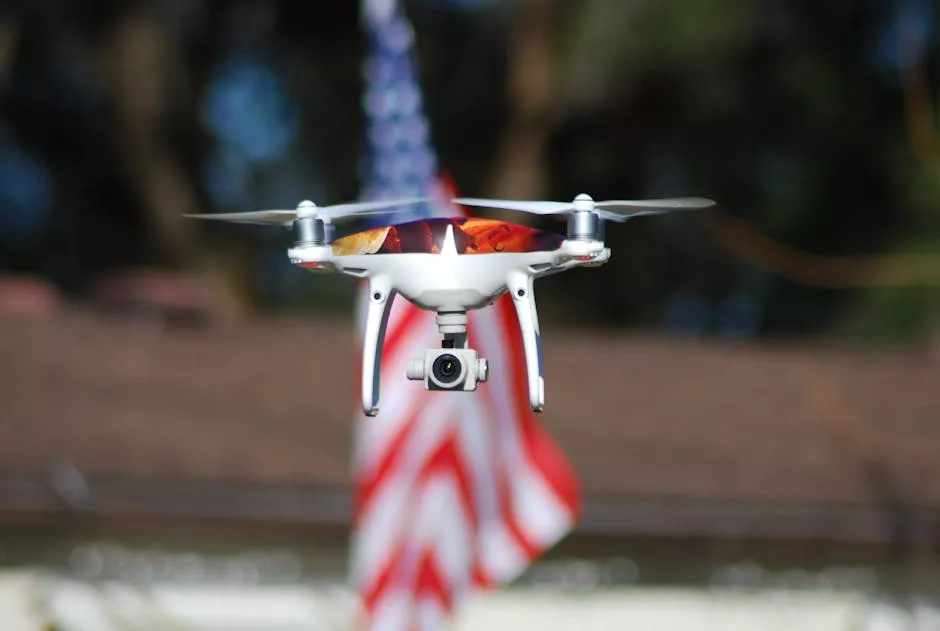
In recent months, Colombia's military has found itself grappling with a new and unexpected adversary on the battlefield: low-cost commercial drones. These drones, available for as little as $600, are being ingenously modified by guerrilla groups into potent instruments of warfare, posing a significant challenge to one of Latin America's most expensively outfitted military forces.
The Rise of Drone Warfare
The advent of drone technology has revolutionized modern warfare. Traditionally, sophisticated military-grade drones were exclusive to well-funded national armies. However, with advancements in technology, commercial drones have become widely accessible, creating a new frontline in asymmetric warfare. Armed groups in Colombia have seized this opportunity, finding ways to adapt these tools for combat purposes.
Initially used for surveillance, guerrilla groups have now started equipping drones with explosives, making them capable of precise attacks. This shift not only showcases innovative adaptation but also reflects broader trends where irregular forces leverage inexpensive technology to counter superior military strength.
Colombia’s Military Struggles
Colombia's armed forces, traditionally seen as one of the most formidable in the region, are now under pressure. Despite heavy investments in state-of-the-art military hardware, the army faces difficulties countering the unpredictable nature and flexibility of drone operations. The economics of warfare are shifting dramatically; where a single drone can cost a few hundred dollars, anti-drone technologies and systems can run into the millions, creating a troubling cost disparity.
Military officials have acknowledged the threat, noting that these drones have become a force multiplier for guerrilla groups. The ability to conduct long-range surveillance, gather intelligence, and launch targeted attacks has increased the operational capabilities of these groups, making security landscapes more volatile.
Historical and Regional Context
For decades, Colombia has been embroiled in internal conflicts, primarily driven by ideological guerrilla movements such as the FARC and ELN. The Colombian government's peace process with the FARC in 2016 promised a new era of reduced hostilities; however, the emergence of dissident factions and the resiliency of the ELN continue to challenge national stability.
Regionally, Colombia's struggle reflects a broader pattern in parts of Latin America, where non-state actors increasingly exploit technological advancements to offset conventional military advantages. The porous borders and often limited enforcement capacities in neighboring countries allow for easier access to technology and resources.
Geopolitical Implications
This evolution in warfare technology underscores a crucial shift in global military dynamics. The traditional arms superiority of state actors is increasingly challenged by non-state groups leveraging technology not originally designed for war. This trend is not limited to Colombia; globally, the proliferation of drone technology stands to redefine conflict zones, forcing nations to rethink security strategies and international military norms.
Furthermore, the involvement of international actors in providing technological support or regulation continues to be a pressing issue. As these technologies become more accessible, geopolitics must adapt with cooperative frameworks to manage their use in conflict zones.
Why It Matters
The use of commercially available drones by non-state actors like guerrilla groups in Colombia raises significant questions about future warfare's nature. These developments show how technology can democratize power, potentially disrupting traditional military hierarchies. For policymakers and military planners, the implications are profound: defense strategies must now consider cost-effective countermeasures and innovate at the pace of civilian technologies.
Internationally, the situation in Colombia could prompt a reevaluation of drone regulations and export controls, aiming to limit malicious use without stifling beneficial advancements in drone technology. Observers should closely monitor how other conflict-prone regions respond to similar threats, as the learnings from Colombia may inform global security protocols.